2026 Top Trends in WPC Exterior Wall Panels What to Know?
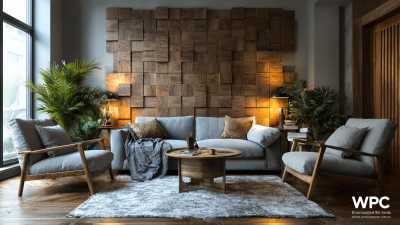
As we approach 2026, the trends surrounding WPC exterior wall panels are rapidly evolving. These panels, made from wood-plastic composites, offer durability and aesthetic appeal for modern buildings. Homeowners and builders alike appreciate their resistance to weather, insects, and fading. The increasing focus on sustainability has made WPC materials even more desirable.
More people are considering eco-friendly options for their homes. WPC exterior wall panels fit this need well. They provide a sustainable choice without sacrificing style. This shift in consumer preferences suggests a significant rise in demand. However, not all products are created equal. Quality can vary greatly among manufacturers.
Reflecting on these trends, we notice that innovation in WPC technology continues. New designs are introduced, pushing the boundaries of aesthetics and functionality. Yet, as the market grows, so does the challenge of making informed choices. Understanding the features and benefits of WPC exterior wall panels becomes essential. Investing time to research is crucial for a successful exterior project.
Future of WPC Exterior Wall Panels: An Overview of 2026 Trends
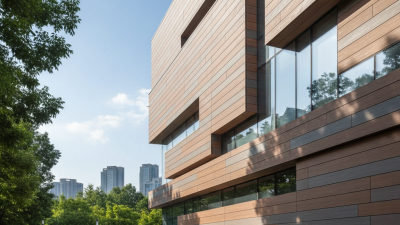
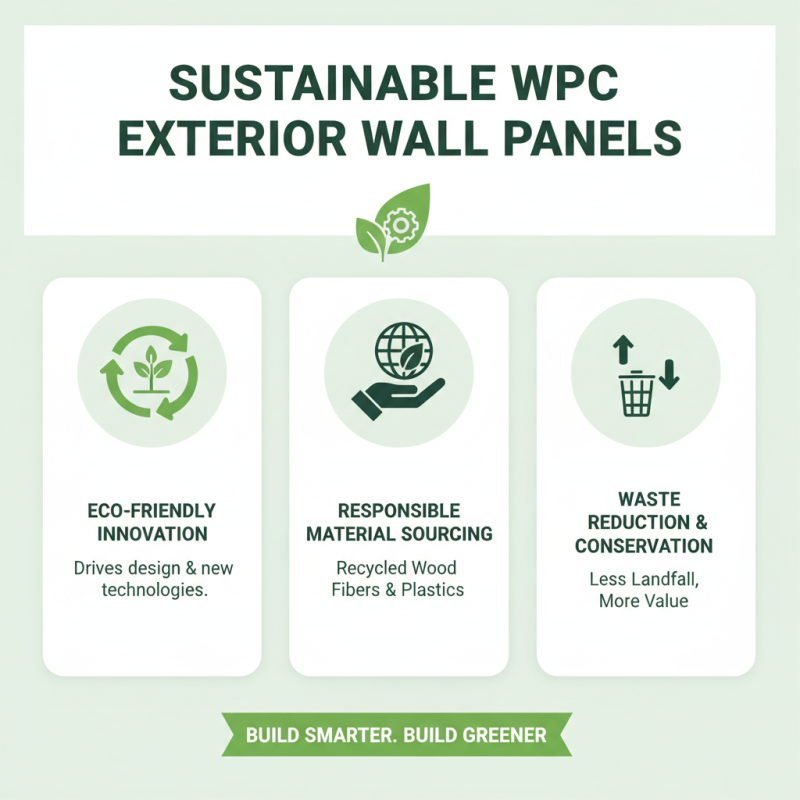
The future of WPC (Wood Plastic Composite) exterior wall panels looks promising as we approach 2026. Sustainability remains a crucial trend. More architects and builders seek eco-friendly materials that minimize environmental impact. WPC panels meet this need, using recycled wood and plastic. This blend not only reduces waste but offers a durable, weather-resistant solution.
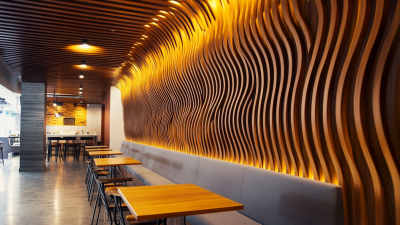
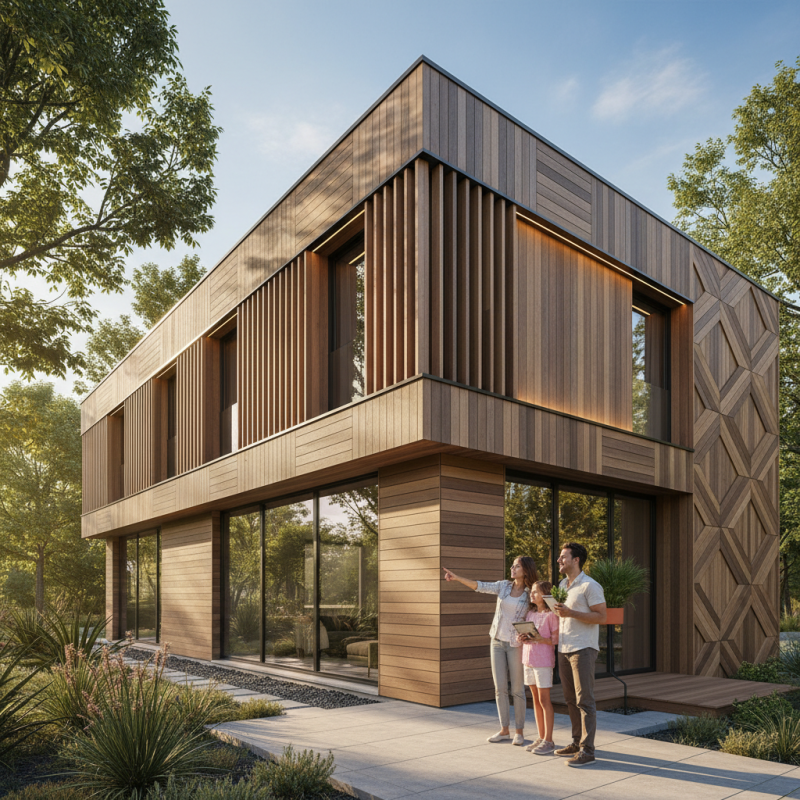
Innovation in design is another key aspect. In 2026, we can expect bolder patterns and textures. Enhanced aesthetics will attract homeowners looking to create unique facades. Visual appeal is essential in today's competitive real estate market. However, achieving this while maintaining structural integrity poses a challenge. Reflecting on design innovation can lead to new ideas, but it may also complicate the installation process.
Durability continues to be a selling point for WPC panels. They resist mold and insect damage, making them ideal for various climates. Yet, some consumers remain skeptical about their longevity. Transparency regarding the lifespan and performance of these materials is vital. As the industry evolves, addressing these doubts could strengthen trust and drive adoption.
Design Aesthetics: Popular Styles and Finishes in 2026 WPC Wall Panels
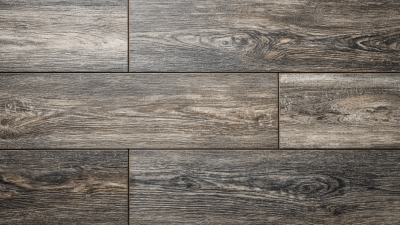
In 2026, WPC (wood-plastic composite) exterior wall panels are embracing a variety of design aesthetics that cater to modern tastes. Popular styles include sleek minimalism, rustic finishes, and bold colors. A recent industry report highlighted that about 45% of homeowners prefer natural wood looks, while 30% are opting for vibrant colors to make a statement. The blend of aesthetics and functionality continues to attract attention.
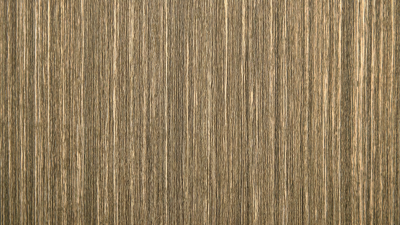
Texture plays a key role in the appeal of these panels. Reports indicate that textured finishes are becoming increasingly desirable, with 60% of designers emphasizing the importance of tactile experiences. This trend aligns with the growing demand for unique design elements. However, the challenge lies in balancing aesthetics with durability. Some textures may wear quicker than traditional finishes, leading to questions about longevity and upkeep.
Color trends are shifting as well. Earthy tones remain popular, but bold colors are on the rise. Insights from market surveys suggest that nearly 25% of consumers are choosing deep blues and rich greens. While these colors add personality, they often require careful consideration in various light conditions. Reflecting on choices in finishes and styles is crucial. Homeowners must think about long-term impact and maintenance when selecting WPC panel styles for their projects.
Durability and Maintenance: Key Features of Modern WPC Materials
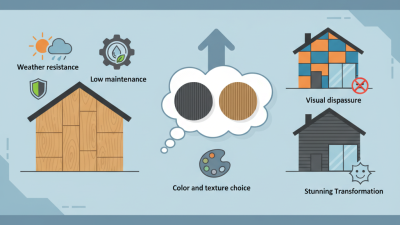
When considering WPC (Wood-Plastic Composite) exterior wall panels, durability is a primary concern. These materials resist rot, insects, and moisture. Homeowners can enjoy their aesthetic appeal without frequent repairs. Modern WPC panels are designed to endure harsh weather conditions. This makes them suitable for various climates. However, some panels can fade over time. Regular inspections can help identify this issue early on.
Maintenance is essential but often overlooked. WPC panels require simple cleaning methods. A soft brush and mild soap can do wonders. However, neglecting regular upkeep might lead to staining or buildup. A thorough wash every few months can preserve their beauty. Many are surprised at the minimal effort needed for maintenance. Still, a consistent routine is crucial. This ensures that the panels continue to look their best.
Furthermore, the environmental impact of WPC materials is worth noting. They are often made from recycled content, which is commendable. Some consumers may still question their sustainability compared to natural wood. It's important to consider the balance of durability and eco-friendliness. Each choice involves trade-offs that warrant reflection and careful consideration.
2026 Top Trends in WPC Exterior Wall Panels
Cost Analysis: Understanding the Financial Benefits of WPC Panels in 2026
As we approach 2026, the popularity of WPC (Wood-Plastic Composite) exterior wall panels continues to rise. These panels offer a unique blend of durability and aesthetics. A recent industry report estimates that WPC panels can reduce installation costs by up to 30% compared to traditional materials. This significant financial benefit appeals to many builders and homeowners.
Although WPC panels are cost-effective, it's essential to understand their lifecycle. They require less maintenance, meaning lower long-term costs. However, initial investments can vary widely. Some reports indicate that while entry prices are competitive, higher-end options can be over budget. Buyers need to evaluate their needs carefully to avoid overspending.
**Tip:** Always compare different suppliers' prices and qualities. Understanding the full cost recap is crucial for budgeting.
Moreover, select panels based on climate factors. Some WPC panels perform better in humid areas, while others are suitable for dry climates. Conducting thorough research will save money and ensure long-term satisfaction. Making poor choices now may lead to higher costs down the line.
2026 Top Trends in WPC Exterior Wall Panels
| Trend |
Description |
Cost per Square Foot |
Financial Benefits |
| Sustainability |
Increased focus on eco-friendly materials and sustainable manufacturing processes. |
$5.50 |
Long-term savings through reduced energy costs. |
| Customization |
Growing demand for customizable designs and finishes. |
$6.00 |
Higher property value through unique aesthetics. |
| Durability |
Enhanced resistance to weather and environmental factors. |
$5.80 |
Reduced maintenance costs over time. |
| Ease of Installation |
Simplified installation process due to lightweight materials. |
$5.00 |
Lower labor costs and faster project completion. |
| Aesthetic Variety |
Wide range of colors, textures, and designs available. |
$6.50 |
Improved curb appeal and marketability. |

 Hot Selling