What is an Acoustic Slat Wall Panel and How Does It Work?
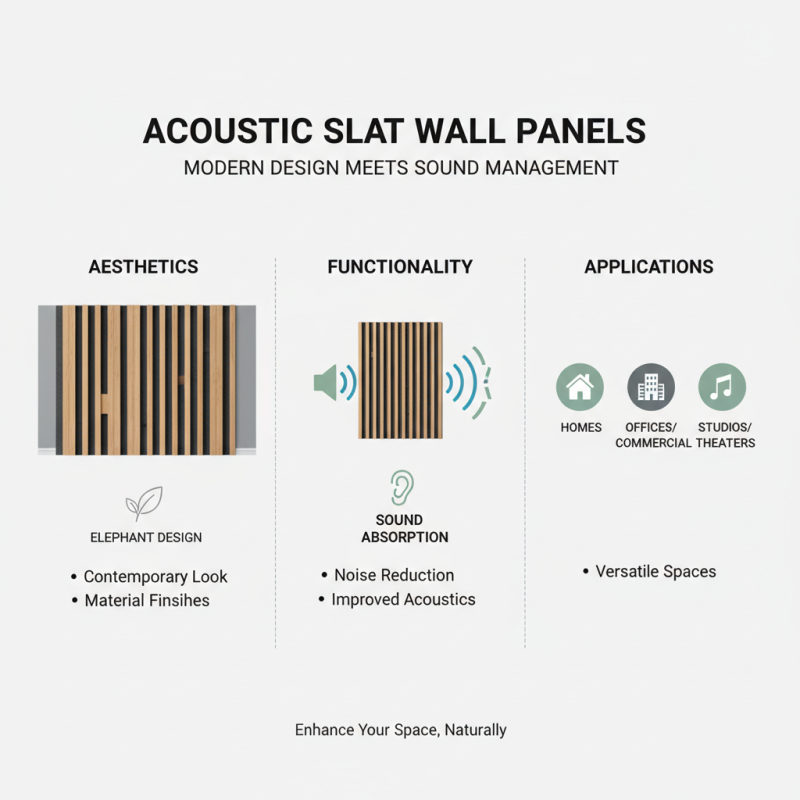
The Acoustic Slat Wall Panel is a revolutionary design element. It combines aesthetics with functionality. This panel addresses common issues of sound absorption and noise control in various spaces.
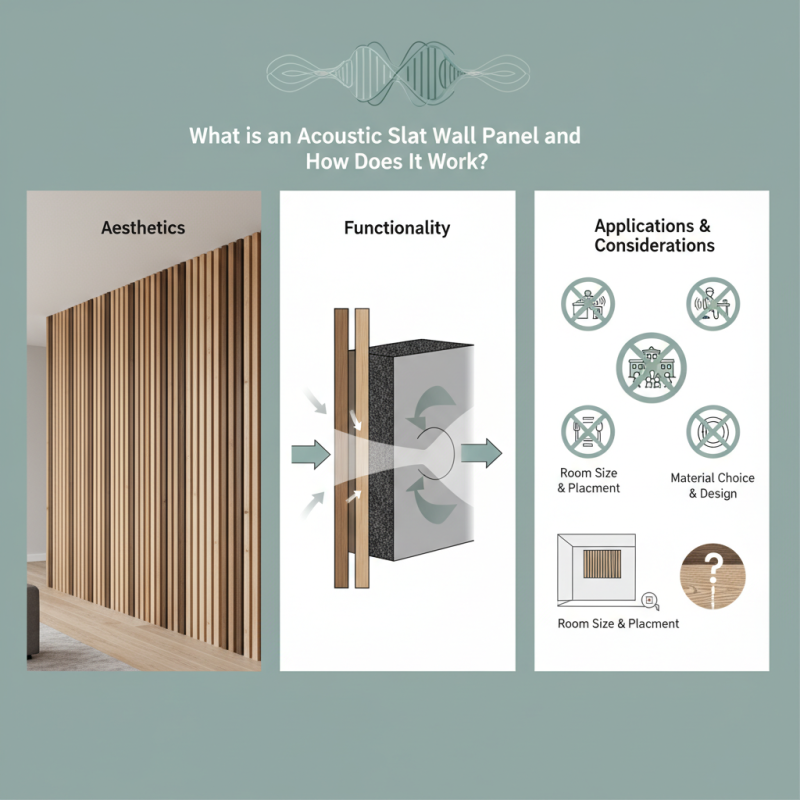
Many environments suffer from distracting noise levels. Offices, schools, and restaurants often struggle with this challenge. An Acoustic Slat Wall Panel offers a solution that enhances both style and silence. It consists of wooden slats arranged to create a visually appealing surface. Meanwhile, these slats are engineered to absorb sound waves effectively.
Implementing an Acoustic Slat Wall Panel is not without its considerations. The choice of materials and design can impact its effectiveness. Factors such as installation location and room size play crucial roles. Therefore, understanding how these panels work is essential for making informed decisions.
What Is an Acoustic Slat Wall Panel? Definition and Composition
An acoustic slat wall panel is a specialized building material designed to improve sound quality in various spaces. These panels typically consist of wooden slats arranged in a specific pattern. Behind the slats, an acoustic material absorbs sound, reducing echoes and enhancing speech clarity. Research indicates that effective acoustics can boost productivity in offices by up to 30%.
The composition of acoustic slat wall panels often includes materials such as MDF, plywood, or solid wood combined with sound-absorbing foam. The wooden slats allow for artistic design while promoting functionality. According to industry data, a well-designed acoustic treatment can lower noise levels by as much as 15 dB in open spaces. This significant reduction highlights the importance of proper material selection and installation techniques.
Despite their effectiveness, some challenges persist. Not all slat wall panels are created equally; improper design can lead to less-than-ideal sound absorption. Additionally, maintenance of wooden surfaces can be demanding over time. As designers strive for aesthetic appeal, balancing form and function is critical to meet acoustic needs. The decision-making process often requires careful consideration of both visual impact and sound management.
What is an Acoustic Slat Wall Panel and How Does It Work?
| Dimension |
Details |
| Definition |
An Acoustic Slat Wall Panel is a type of sound-absorbing board designed to reduce noise and improve acoustics in a space. |
| Composition |
Typically made from materials like wood, MDF, or acoustic fabric, layered to enhance sound absorption. |
| Function |
Helps to control sound reflection and echo in rooms, making them quieter and more comfortable. |
| Applications |
Used in offices, homes, schools, and auditoriums to enhance sound quality and reduce background noise. |
| Benefits |
Improves speech intelligibility, creates a more pleasant environment, and can serve decorative purposes. |
Key Materials and Design Elements of Acoustic Slat Wall Panels
Acoustic slat wall panels have gained popularity for their unique design and functional benefits. These panels consist of wooden slats spaced apart, creating a visually appealing texture while enhancing sound quality. The slats can be made from various types of wood, which affects the overall acoustics. Some common materials include MDF and plywood, both of which offer different sound absorption properties.
When designing acoustic slat wall panels, the space size matters. Smaller spaces may benefit from narrower slats to avoid overwhelming the room. For larger areas, wider slats create a bold statement. Consider the finish as well; darker woods often absorb sound better than lighter finishes. Balance aesthetic appeal with functionality for the best results.
Tips: Choose slats that complement your room decor. Test the materials to see which absorbs sound effectively. It's essential to evaluate how the panels will interact with your specific space for the best acoustic performance.
Acoustic Slat Wall Panels Performance Comparison
How Acoustic Slat Wall Panels Absorb Sound: The Science Behind It
Acoustic slat wall panels are designed to manage sound in various spaces. They consist of vertical slats that create gaps, allowing sound to pass through. The science is simple yet fascinating. When sound waves hit these panels, the material absorbs some frequencies, resulting in reduced echoes and clearer acoustics. This creates a more pleasant environment for conversation or music.
One important aspect is the material used. Different materials have unique sound-absorbing qualities. For instance, softer materials might absorb more high frequencies while harder materials tackle lower frequencies better. Testing different combinations can yield surprising results.
Tip: When selecting slat wall panels, consider your space’s needs. Measure the room carefully. The amount of slat coverage affects sound absorption.
Another aspect to think about is design. Acoustic slat wall panels can be visually appealing. They come in various colors and patterns. However, finding the right balance between aesthetics and functionality can be challenging. Don’t rush the decision-making process.
Tip: Experiment with different arrangements. Sometimes a small change can dramatically improve sound quality. Be open to adjusting your setup based on listening tests.
Applications of Acoustic Slat Wall Panels in Various Industries
Acoustic slat wall panels are increasingly used across various industries. Their design helps in managing sound in different environments. According to a recent report by the Acoustical Society of America, effective sound management can enhance productivity by up to 20% in office settings. This is crucial for creating a comfortable workspace.
In education, these panels play a key role. Classrooms with acoustic treatment improve student focus and comprehension. Studies indicate that students retain 25% more information when sound levels are appropriately managed. Restaurants also benefit, as these panels can reduce noise levels, creating a more enjoyable dining experience. A quieter atmosphere can lead to increased customer satisfaction and longer visits.
Despite their benefits, installing acoustic slat panels may not always be straightforward. Proper placement is vital for optimal performance. In some cases, panels may not completely solve echo problems. Careful planning involves understanding both the space and the users' needs. This complexity can sometimes lead to unexpected outcomes, challenging the effectiveness of the installation.
Performance Metrics: Sound Absorption Coefficients and Ratings Explained
Acoustic slat wall panels are gaining popularity in modern architecture. These panels play a pivotal role in managing sound in various spaces. Their design combines aesthetics with functionality. They often include materials that absorb sound, enhancing the acoustic environment.
Performance metrics are essential when evaluating these panels. Sound absorption coefficients measure how much sound energy is absorbed upon contact. Higher coefficients indicate better sound absorption. For instance, a panel with a rating of 0.75 absorbs 75% of sound energy, making it ideal for busy environments. Report data shows that environments with coefficients above 0.6 are effective in reducing noise pollution. This dramatically improves comfort levels in schools and offices.
Despite their benefits, the effectiveness of acoustic slat wall panels can vary. Proper installation is crucial for optimal performance. Misalignment can reduce their absorption capabilities. Some manufacturers report inconsistent performance ratings across different settings. This raises concerns about the reliability of sound absorption claims. A critical approach is needed when selecting panels, focusing on verified data and accurate installation practices. The choice should reflect both aesthetic desires and acoustic needs.

 Hot Selling