Top 10 Benefits of WPC Panels for Your 2025 Home Renovation
As homeowners increasingly seek sustainable and aesthetically pleasing materials for their renovation projects, WPC panels have emerged as a popular choice in the construction industry. Comprising wood fibers and thermoplastics, these innovative panels combine the best of both worlds, offering durability, versatility, and environmental benefits. In 2025, as home renovation trends continue to evolve, understanding the advantages of using WPC panels can help homeowners make informed decisions that enhance their living spaces.
The benefits of Paneles WPC are numerous, ranging from their resistance to moisture and pests to their easy maintenance and exceptional aesthetic appeal. These panels are not only designed to mimic the look of natural wood but also provide an array of colors and finishes, making them suitable for various styles and preferences. Moreover, their longevity and performance make them a cost-effective solution for modern home renovations, allowing homeowners to create beautiful and functional spaces that stand the test of time.
In this article, we will delve into the top ten benefits of WPC panels for your home renovation in 2025. Whether you are planning a complete makeover or looking to update specific areas, understanding the advantages of Paneles WPC will guide you in enhancing both the beauty and functionality of your home.
Understanding WPC Panels: A Quick Overview of Materials and Composition
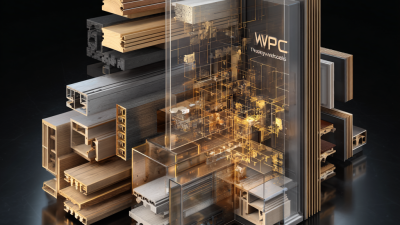
WPC panels, or Wood Plastic Composite panels, are an innovative building material that combines the natural beauty of wood with the durability of plastic. These panels are made from a blend of wood fibers, plastic polymers, and various additives, resulting in a material that is resistant to moisture, insects, and rot. This unique composition allows WPC panels to maintain their appearance and structural integrity over time, making them an excellent choice for home renovations.
Tips for choosing WPC panels include considering their environmental impact. Many manufacturers offer panels made from recycled materials, making them a sustainable option for eco-conscious homeowners. Additionally, when selecting colors and finishes, it’s important to keep in mind the overall aesthetic of your home to ensure a cohesive look. Lastly, check the manufacturer's specifications for warranties and maintenance requirements to make an informed decision.
When it comes to installation, WPC panels are often easier to work with than traditional materials, offering design flexibility and reduced labor costs. Ensure that you use appropriate tools for cutting and fastening these panels to achieve a professional finish. Furthermore, because of their weather-resistance, WPC panels can be used for both indoor and outdoor applications without the worry of warping or fading.
Durability and Maintenance: Why WPC is Ideal for Home Renovations
WPC (Wood-Plastic Composite) panels have emerged as a prominent choice for home renovations in 2025, primarily due to their exceptional durability and low maintenance requirements. According to a report from the Research Institute of Wood and Polymer Composites, WPC materials can exhibit a lifespan of 25 years or more when properly installed, significantly outlasting traditional wood. This is primarily due to their resistance to moisture, rot, and insects, making them an ideal solution for areas that experience high humidity or exposure to the elements.
Furthermore, WPC panels require minimal upkeep, which can lead to long-term cost savings for homeowners. A study by Industry Insights reveals that homeowners can reduce maintenance costs by up to 50% when opting for WPC compared to traditional wood products. This reduction is attributed to the fact that WPC does not need regular sealing, staining, or painting, unlike conventional materials. As sustainability becomes increasingly important in home design, WPC panels also offer an eco-friendly alternative, made from recycled materials, which supports environmentally responsible renovation practices without compromising on durability or aesthetics.
Aesthetic Appeal: Design Versatility of WPC Panels for Modern Homes
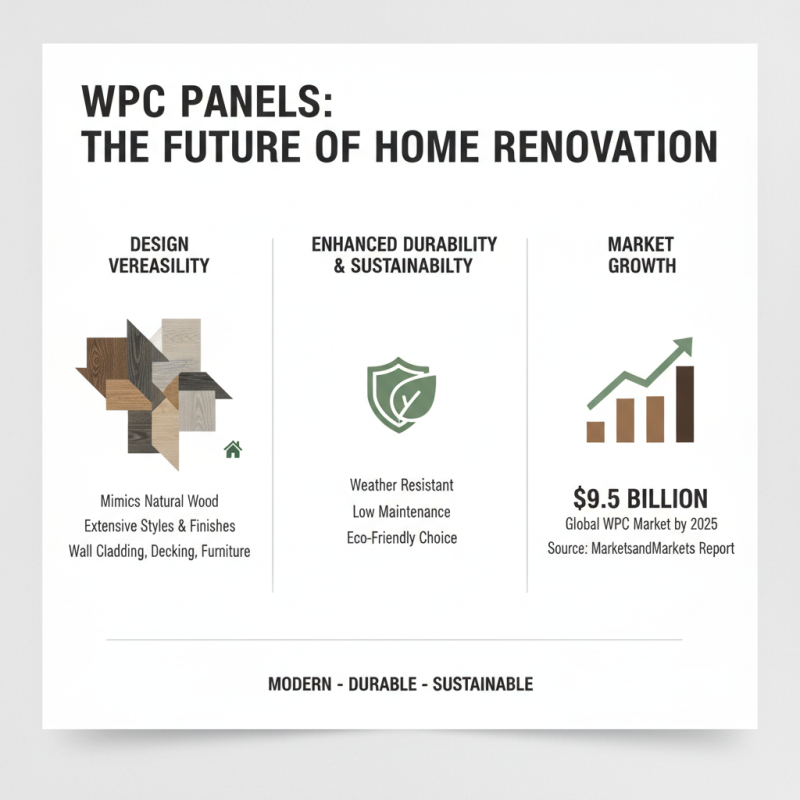
WPC (Wood Plastic Composite) panels are gaining popularity in modern home renovations due to their remarkable design versatility and aesthetic appeal. With the ability to mimic the appearance of natural wood while ensuring enhanced durability, WPC panels offer homeowners an extensive range of styles and finishes. According to a report by MarketsandMarkets, the global WPC market is expected to reach $9.5 billion by 2025, reflecting a growing preference for sustainable materials in home design. The flexibility of WPC panels allows for creative applications, from wall cladding to decking and furniture, making them an ideal choice for contemporary spaces.
When integrating WPC panels into your design, consider creating focal points with different textures and colors. Experimenting with bold hues and unique patterns can elevate the visual dynamics of any room. Additionally, WPC panels come in various sizes and thicknesses, allowing for personalized designs that cater to individual tastes and architectural styles.
Tips: Opt for lighter colors to make smaller spaces feel larger, while darker shades can add warmth and sophistication to larger areas. For a seamless look, coordinate WPC panels with complementary materials like glass or metal to enhance overall aesthetics. Additionally, ensure that you account for the local climate when selecting finishes, as certain textures may perform better in specific weather conditions.
Environmental Benefits: Sustainability of WPC in Renovation Projects
WPC (Wood-Plastic Composite) panels are rapidly gaining traction in home renovation projects, particularly in 2025, as sustainability becomes a key focus for homeowners and builders alike. One of the most significant environmental benefits of WPC panels is their ability to reduce waste. According to a 2021 report by the Composite Wood Association, WPCs can utilize up to 90% recycled materials, including wood fiber and plastic waste, which diverts these materials from landfills and minimizes the consumption of virgin resources. This recycling potential fosters a circular economy, making WPC an environmentally responsible choice for modern renovations.
Additionally, WPC panels are known for their longevity and resistance to the elements, which leads to a decrease in the frequency of replacements and repairs compared to traditional materials. The durability of WPC translates into lower lifecycle emissions, as fewer resources are required over time for maintenance and replacement. A study from the Sustainable Building Industry Council found that WPC products can have a carbon footprint up to 30% lower than traditional wood in long-term applications. As environmental awareness continues to rise among consumers, the movement toward using WPC in renovation projects reflects a growing commitment to sustainable living that can significantly lower the impact of home construction and remodeling on our planet.
Cost-Effectiveness: Long-Term Savings with WPC Panel Installations
When considering home renovations, the choice of materials plays a crucial role in influencing the overall cost and sustainability of the project. WPC (Wood-Plastic Composite) panels stand out as a cost-effective solution, offering long-term savings that can significantly benefit homeowners. The durability of WPC panels means they require less frequent replacement compared to traditional materials. This longevity translates into reduced maintenance costs, giving homeowners a break from ongoing repair expenses.
Additionally, WPC panels are designed to be resistant to moisture, insects, and decay, minimizing the need for chemical treatments that can add to maintenance expenses over time. The upfront investment in WPC is often offset by these savings, making it a wise financial choice for any home renovation project. Moreover, since WPC panels are energy-efficient, they can contribute to lower utility bills, further enhancing their cost-effectiveness. As homeowners look to the future, integrating WPC panels into their renovation plans not only aligns with sustainability goals but also secures a smart financial investment that pays off in the long run.
Top 10 Benefits of WPC Panels for Your 2025 Home Renovation - Cost-Effectiveness: Long-Term Savings with WPC Panel Installations
| Benefit |
Description |
Estimated Savings Over 10 Years |
| Durability |
WPC panels resist rotting, warping, and splitting, leading to reduced maintenance costs. |
$2,000 |
| Low Maintenance |
No need for painting or sealing; simple cleaning keeps them looking new. |
$1,500 |
| Eco-Friendly |
Made from recycled materials, contributing to environmental sustainability. |
$1,000 |
| Energy Efficiency |
Insulating properties help maintain home temperature, lowering energy bills. |
$800 |
| Aesthetic Versatility |
Available in various styles and colors, enhancing the beauty of your home. |
$500 |
| Moisture Resistance |
Ideal for high-humidity areas, preventing mold and mildew growth. |
$1,200 |
| Quick Installation |
Ease of installation leads to lower labor costs and faster project completion. |
$600 |
| Resistant to Insects |
Doesn't attract pests, saving costs on pest control. |
$900 |
| Fire Resistance |
Less flammable compared to traditional wood, enhancing safety. |
$700 |
| Long Lifespan |
WPC panels can last for decades, offering considerable long-term value. |
$3,000 |

 Hot Selling