What Are the Benefits of WPC Wall Panels for Your Home?
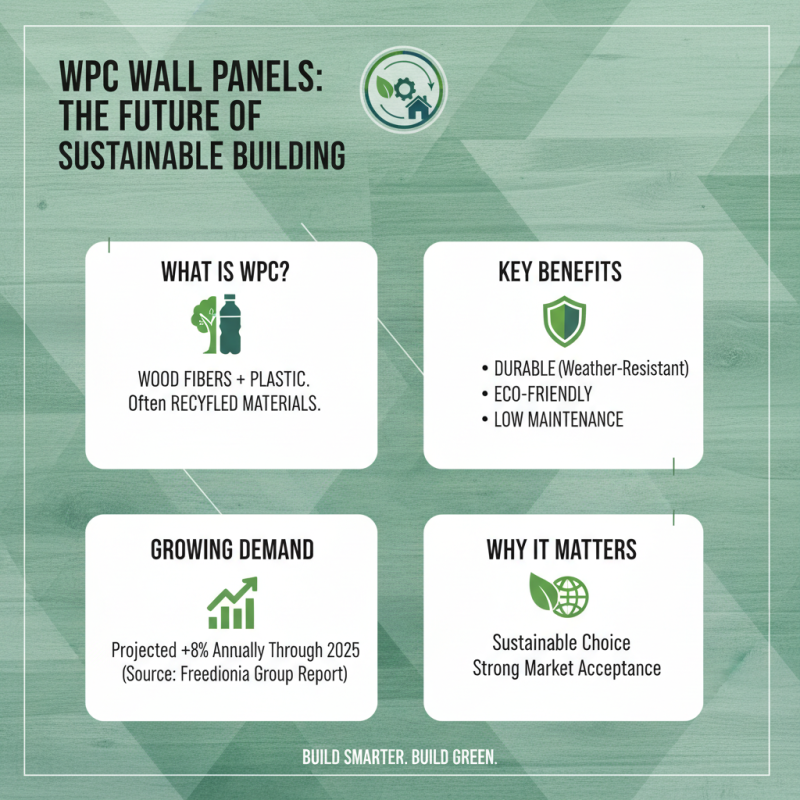
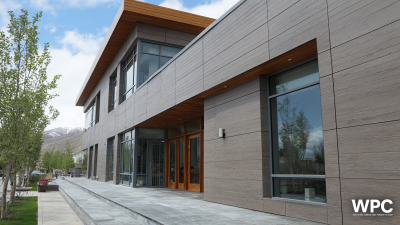
Wall Panels WPC have become increasingly popular in home improvement. They offer a blend of aesthetics and functionality that appeals to many homeowners. According to the "2022 Market Analysis of Wall Panels" report by Industry Insights, WPC wall panels have seen a growth rate of 8% annually. This growth reflects rising demand due to their sustainable attributes and versatility.
Expert Sarah Thompson, a leading figure in building materials innovation, emphasizes their importance. "WPC wall panels transform spaces and reduce environmental impact, providing a win-win for home renovations." These panels are not just another trend; they serve real, practical purposes. Their resistance to moisture and pests makes them suitable for various climates.
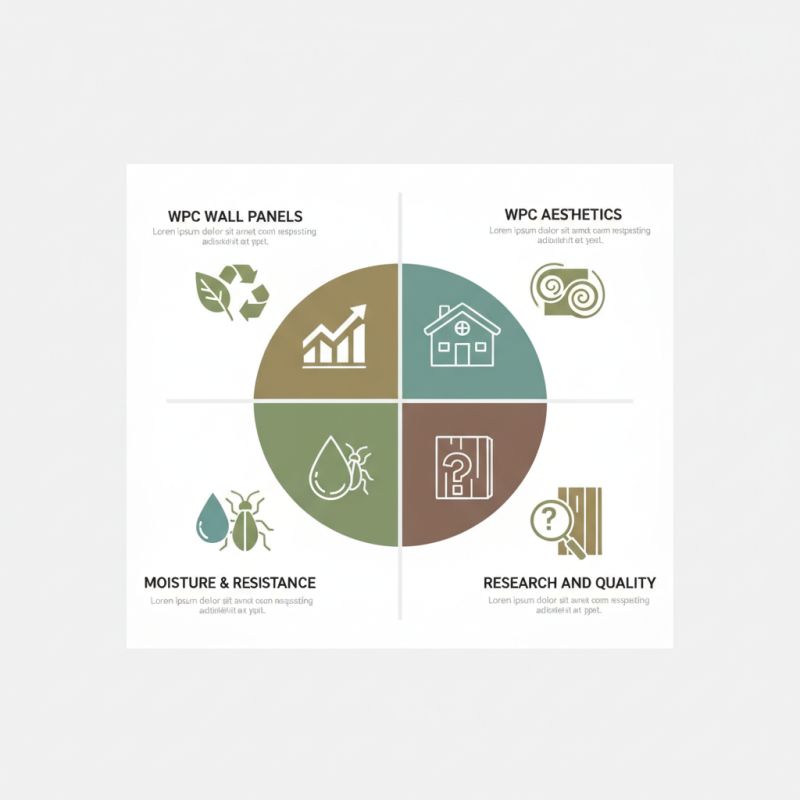
However, not all WPC products are created equal. Homeowners often struggle with quality differences in the market. It's crucial to conduct thorough research. Home aesthetics can change dramatically with the right materials, but it’s essential to ask the right questions before committing.
Understanding WPC: What Are Wall Panels Made Of?
WPC, or wood-plastic composite, combines wood fibers and plastic. This blend creates durable wall panels that can withstand various conditions. The materials used in WPC are often recycled, making them an eco-friendly choice. According to a report by the Freedonia Group, the demand for WPC products is projected to grow by 8% annually through 2025. This indicates a strong acceptance and preference for sustainable building materials.
WPC wall panels come in different textures and finishes. They can mimic the look of natural wood but require less maintenance. Industry data reveals that about 65% of homeowners prefer materials that offer longevity and ease of care. However, while they are resistant to moisture and pests, they can still be vulnerable to extreme temperatures. This brings a question of durability in harsher climates.
The installation of WPC panels is relatively straightforward. However, there might be challenges with cutting and fitting them properly due to their composite nature. Users have reported mixed experiences with achieving seamless finishes. This suggests that while WPC holds promise, there is still a learning curve in working with these materials effectively.
Key Advantages of Using WPC Wall Panels in Home Design
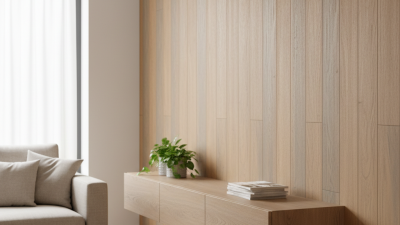
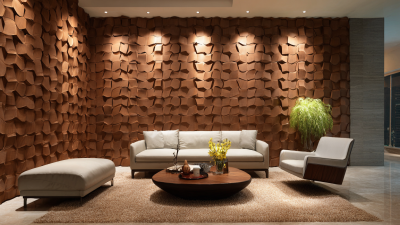
WPC wall panels, made from wood and plastic composites, offer various advantages in home design. They are lightweight and easy to install, making them perfect for DIY enthusiasts. The panels come in various colors and textures, giving homeowners plenty of design options. Imagine transforming a dull living room with textured panels that resemble natural wood. This texture adds depth and warmth to the space.
One key benefit is their durability. WPC panels resist moisture and pests, reducing the maintenance costs over time. Unlike traditional wood, they won’t warp or rot when exposed to humidity. This can be a game-changer in areas like basements or bathrooms. However, they can scratch easily. Ensuring proper care is essential to maintain their appearance.
Eco-friendly homeowners appreciate that WPC panels often use recycled materials. This aligns with sustainable living goals. Yet, it’s important to research the environmental impact of the manufacturing process. Balancing aesthetics and sustainability can be tricky. In the end, WPC wall panels offer more than just beauty; they support a practical lifestyle.
Durability and Maintenance: Why WPC Panels Stand Out
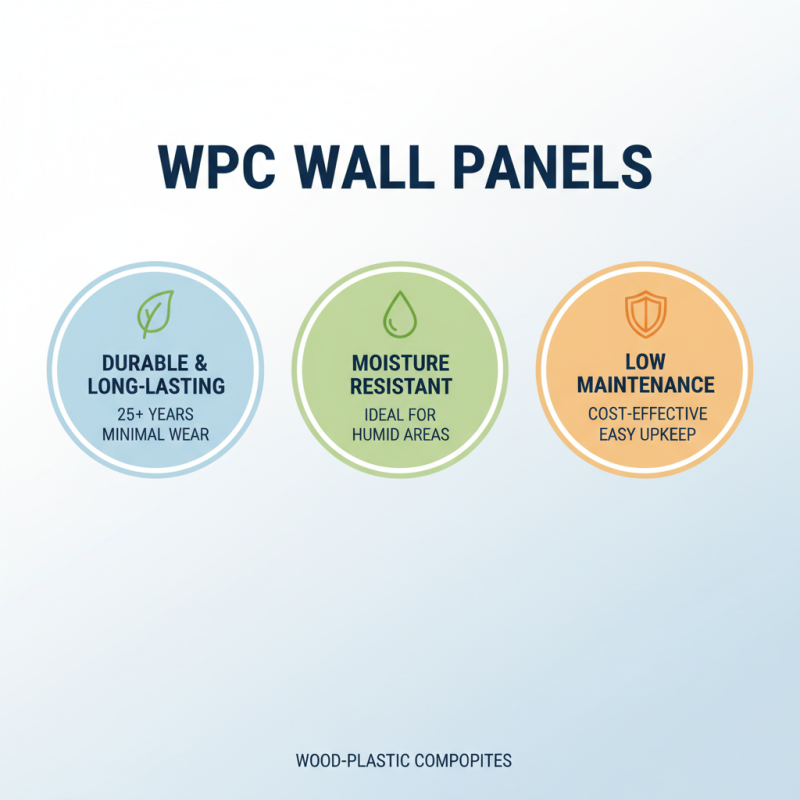
WPC wall panels have gained popularity for their durability and low maintenance. Made from wood-plastic composites, they resist moisture, making them ideal for high-humidity areas. According to a recent industry report, these panels can last over 25 years with little wear. This longevity is an advantage for homeowners seeking cost-effective solutions.
Cleaning WPC panels is simple. A damp cloth and mild detergent usually do the trick. Unlike wood, they don’t warp or splinter. This resistance to rot significantly reduces the need for repairs, which saves time and money.
Tip: Regular cleaning helps maintain the appearance of the panels. Check for any scratches or marks that may need attention. Even though WPC panels are tough, prevention is always better.
On the downside, some may find WPC panels less visually appealing than natural wood. Each panel has its unique texture, yet it may not satisfy everyone’s taste. It’s essential to weigh these factors carefully before making a decision.
Aesthetic Appeal: Enhancing Home Interiors with WPC Wall Panels
WPC wall panels are gaining popularity for their aesthetic appeal. These panels combine wood and plastic,
creating a unique texture that suits various interior designs. They can transform a dull room into a vibrant space with minimal effort.
Imagine a living room adorned with rich, earthy tones. The warmth of WPC panels invites comfort
and style.
Tips: Consider the color palette of your home before choosing panel shades. Darker colors can add depth, while lighter tones promote openness.
Mix and match textures for a personalized feel.
The installation of WPC panels is often seen as a DIY project. Yet, a perfect finish may require professional help.
Uneven edges and poor alignment can detract from their beauty. Visualize the final look during your planning stage. It’s crucial to ensure everything aligns as
you imagine.
Tips: Always measure your walls carefully before purchasing panels. This step can save you time and frustration. Consult design inspiration,
but embrace unique ideas that reflect your personality. The result should feel like home.
Cost-Effectiveness: Analyzing the Financial Benefits of WPC Panels
WPC wall panels offer notable financial benefits for homeowners. These panels are often more affordable than traditional materials like wood or stone. Their cost-effectiveness extends beyond initial savings; they require little maintenance, leading to long-term savings.
Installation also plays a crucial role in cost savings. WPC panels are lightweight and easy to handle. This simplicity can lower labor costs if you hire professionals. Even DIY enthusiasts can install them without much effort. However, make sure to measure accurately before cutting. A wrong cut can lead to waste.
Tips: Consider using WPC panels in high-moisture areas like bathrooms. They resist water damage well. Regular cleaning is still necessary, but you won’t face the same level of wear as with wood.
Reflect on your choices. WPC panels may seem less appealing than solid wood. But the durability they offer can outweigh aesthetic concerns. Not every decision needs to be perfect; practicality often trumps beauty.
Cost-Effectiveness of WPC Wall Panels

 Hot Selling