How to Choose the Best WPC Wall Panels for Your Home?
Choosing the right Wall Panels WPC for your home involves more than just aesthetics. Recent reports indicate the demand for WPC wall panels is rising. The global market is expected to reach USD 5 billion by 2026, growing significantly. This surge reflects an increasing awareness of eco-friendly materials.
WPC panels offer numerous advantages, such as moisture resistance and durability. They are ideal for both indoor and outdoor use. However, many homeowners still mistakenly underestimate the importance of selecting quality panels. Some panels may look appealing but lack durability. Cheap options can lead to problems over time.
It's essential to focus on the manufacturer's reputation and product certifications. Misleading information can sometimes cloud judgment. Homeowners should also consider the installation process. A poor installation can compromise the benefits of Wall Panels WPC. Investing time in research will lead to better choices for your home.
Factors to Consider When Choosing WPC Wall Panels for Your Home
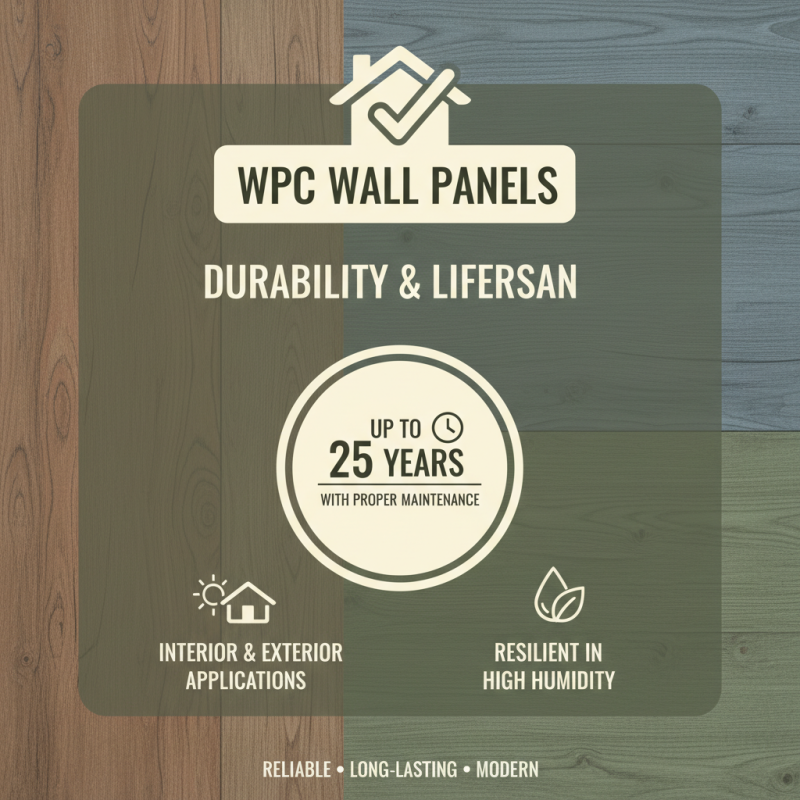
Choosing the right WPC (Wood Plastic Composite) wall panels for your home requires careful consideration of several factors. One important aspect is the panel's durability. According to industry reports, WPC panels can last up to 25 years when properly maintained. This makes them a reliable choice for both interior and exterior applications. You'll want to assess the conditions of your environment. High humidity areas may require more resilient options.
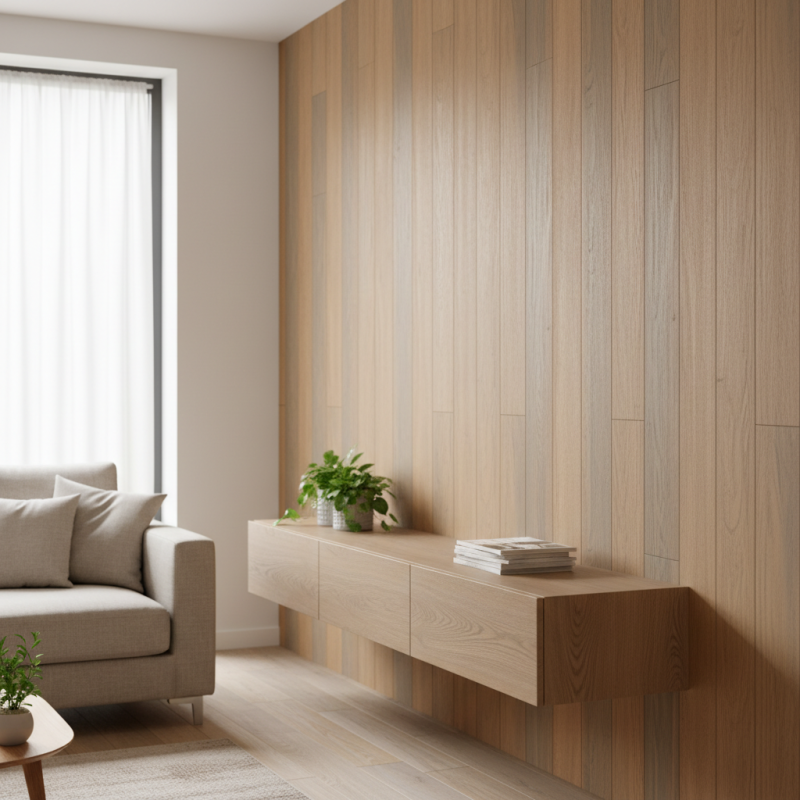
Another factor is aesthetic appeal. WPC panels come in various textures and colors. You should consider how these options will fit with your existing décor. Some reports suggest that homeowners prioritize style over function, which can lead to dissatisfaction later. Selecting a design that complements your home’s architecture is crucial.
Cost is another crucial element to keep in mind. WPC panels can range widely in price. A study indicated that high-quality panels may seem expensive initially but prove cost-effective over time due to their low maintenance needs. Beware of cheap alternatives. They might save you money upfront but can lead to replacements sooner. Think about your long-term investment.
Understanding the Material Composition and Durability of WPC Panels
When choosing WPC wall panels, the material composition is vital. WPC stands for Wood Plastic Composite, combining wood fibers and plastic. This mixture offers the warmth of wood with the durability of plastic. It is resistant to moisture and insects, making it suitable for various environments. However, not all WPC panels are created equal. Some may use lower-quality materials, compromising strength and durability.
Tip: Always check the percentage of wood content in the panel. Higher wood fiber content can enhance aesthetics but might reduce durability in wet areas.
Examining the manufacturing process is also essential. Some panels undergo extensive treatment to resist fading and wear. Investing in higher-quality panels may save costs in the long run. It's important to consider the intended use. Interior panels may not require the same durability level as exterior panels.
Tip: Compare warranties offered by manufacturers. A longer warranty often indicates confidence in durability.
Remember, WPC panels can fade over time. They also can scratch or dent more easily than traditional wood. Maintain a realistic expectation about wear and tear. Regular maintenance and cleaning will extend the lifespan, but nothing is impervious to damage. Make your choice thoughtfully, reflecting on these factors.
Evaluating Aesthetic Options: Colors, Textures, and Finishes for WPC
Selecting the right WPC wall panels involves careful consideration of aesthetics. Colors, textures, and finishes play a crucial role in defining your space. According to a recent report by Allied Market Research, the global WPC market is expected to reach $10.3 billion by 2027. This growth indicates a strong demand for diverse aesthetic options.
When choosing colors, opt for hues that complement your existing decor. Popular choices include warm browns and cool grays. These shades create a natural, inviting atmosphere. Additionally, textures can add depth to your walls. Surfaces that mimic wood grain or stone can enhance visual interest. Yet, overloading on texture might create a cluttered look, distracting from the overall design.
Finishes, ranging from matte to glossy, further influence the aesthetic impact of WPC panels. A matte finish tends to offer a more understated elegance. In contrast, glossy finishes can reflect light and make spaces appear larger. However, consider maintenance; glossy surfaces may show fingerprints more easily. Balancing these aspects is essential. Listening to your instincts about comfort and style can help navigate these choices effectively.
Comparing Environmental Impact and Sustainability of WPC Products
When selecting WPC wall panels, considering their environmental impact is crucial. Wood plastic composite (WPC) products are often promoted as eco-friendly alternatives. However, the sustainability of these materials can vary significantly. A report from the European Commission suggests that WPC manufacturing can produce up to 75% less carbon emissions than traditional wood products. This statistic is compelling, yet one must be wary of production processes that may offset these benefits.
WPC panels are typically made from recycled wood and plastic. While this reuse is valuable, not all recyclables are created equal. The quality of the plastic involved can influence the overall sustainability. Reports indicate that using low-quality plastic may lead to shorter lifespans for the panels. Consequently, this might result in more frequent replacements, thus increasing waste in landfills. Proper research and sourcing are essential to ensure you are choosing the most environmentally friendly options available.
Another aspect worth noting is the end-of-life stage of WPC products. Many assume that WPC panels are entirely recyclable, but this is not always the case. Data shows that up to 25% of WPC may end up in landfills, depending on local recycling systems. As you evaluate your options, consider these factors. Reflecting on the lifecycle of your wall panels can lead to better choices for both your home and the planet.
How to Choose the Best WPC Wall Panels for Your Home?
| Criteria |
WPC Panels A |
WPC Panels B |
WPC Panels C |
| Material Composition |
60% Wood Fiber, 40% PVC |
70% Wood Fiber, 30% Plastic |
75% Wood Fiber, 25% Recycled Plastic |
| Recyclability |
Yes |
Yes |
Yes, 100% Eco-friendly |
| Durability (Years) |
20 |
25 |
30 |
| Resistance to Moisture |
High |
Medium |
High |
| Environmental Certifications |
FSC Certified |
LEED Compliant |
GreenGuard Gold |
| Cost per Square Meter |
$25 |
$30 |
$35 |
Cost Analysis: Long-term Savings vs Initial Investment in WPC Panels
When considering WPC wall panels, initial costs can seem daunting. These panels may carry a higher price tag compared to traditional materials. However, the long-term benefits can outweigh these early expenses. WPC panels resist water, rot, and pests. This durability means fewer repairs and replacements over time, leading to potential savings.
Here's a tip: Calculate the potential savings over five to ten years. Factor in maintenance costs and replacement cycles. You might find that WPC panels save you money in the long run. Longer lifespan equals fewer headaches.
Another tip: Don't forget to consider installation costs. Skilled labor may be required for proper setup, which can add to your investment. Evaluate multiple quotes and ask about hidden fees. This will give you a clearer picture of the total expense. Balancing upfront costs with future savings is crucial. Investing wisely can provide comfort and peace of mind.
Cost Analysis of WPC Wall Panels: Initial Investment vs Long-term Savings
This chart illustrates the initial investment and projected long-term savings associated with WPC wall panels over a period of 10 years. The data compares the upfront costs and anticipated savings from reduced maintenance and durability.

 Hot Selling