How to Choose Waterjet Cutting Machinery for Your Business?
Choosing the right waterjet cutting machinery is crucial for any business aiming for precision and efficiency. According to a report by ResearchAndMarkets, the global waterjet cutting market is projected to grow significantly, estimated to reach USD 1.2 billion by 2025. This growth highlights the increasing reliance on waterjet technology in various industries, including aerospace and automotive.
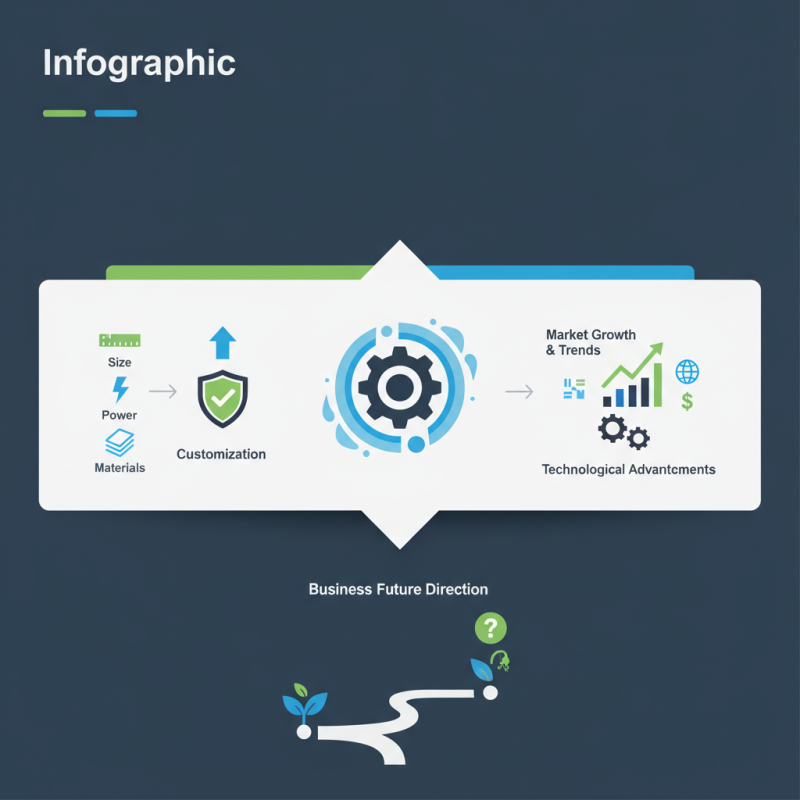
Selecting waterjet cutting machinery demands careful consideration. Factors include size, power, and the materials you’ll cut. A common mistake is underestimating the importance of customization. Each business has unique requirements based on its production volume and diversity of materials. This variability can lead to over-investment or missed opportunities if not thoughtfully addressed.
Overall, investing in waterjet cutting machinery is more than just a financial decision; it reflects your business's future direction. Understanding market trends and technological advancements can aid in making an informed choice. Ignoring these factors may seem easier, yet it may result in inefficiencies that hamper growth. Being proactive is key to staying competitive in this evolving landscape.
Understanding Waterjet Cutting Technology and Its Applications
Waterjet cutting technology offers unique advantages across various industries. It uses high-pressure water, combined with abrasive materials, to cut through hard materials like metal, glass, and stone. Studies show that the waterjet cutting market is expected to grow by 10% annually, driven by its precision and versatility. This makes it appealing for businesses in aerospace, automotive, and architectural sectors.
Applications of waterjet cutting are numerous. For example, in the automotive industry, this technology aids in creating complex parts with sharp edges and intricate designs. The aerospace sector also values waterjet cutting for its ability to work with lightweight materials without compromising structural integrity. However, businesses must consider the operational costs. Water and maintenance are essential, yet the efficient cutting process can boost overall productivity.
Not every company needs waterjet cutting. For smaller production runs or softer materials, other methods may suffice. Each business must assess its specific needs and production volumes. This helps avoid unnecessary investments and ensures the technology aligns with business goals. Ultimately, understanding the applications and different cost factors fosters smarter decision-making when choosing cutting machinery.
Factors to Consider When Selecting Waterjet Cutting Machinery
Choosing the right waterjet cutting machinery for your business requires careful consideration. One crucial factor is the size of the machine. Larger machines can handle bigger materials. However, they also take up more space and may be costlier. Standard sizes might not fit all projects. Think about your typical job sizes. This choice can impact your overall efficiency.
Another important factor is the type of cutting head. An abrasive cutting head is necessary for harder materials. Yet, it can lead to higher operational costs due to abrasive materials. A pure waterjet head is quieter and cleaner but may not work for thicker materials. Be clear about the materials you will cut regularly. This will help in making the right decision.
Operational speed is another aspect to consider. Faster machines may seem appealing, but they can be more complex and harder to maintain. Slower machines might offer better precision. There’s often a trade-off. You may have to assess whether speed or precision matters more for your projects. Balancing these factors can be challenging. The right decision can shape your business's future.
Factors to Consider When Selecting Waterjet Cutting Machinery
Comparing Different Types of Waterjet Cutting Machines
When comparing different types of waterjet cutting machines, several factors come into play. High-pressure waterjet systems typically use water at pressures exceeding 30,000 psi. They are known for precision and versatility across various materials. However, these machines can be expensive and require regular maintenance to prevent issues. Users must consider the trade-off between cost and performance.
Abrasive waterjets add garnet or other materials to the water stream, enhancing cutting power on harder substances. This option is great for industrial applications, but the added complexity may lead to operational challenges. Operators need to fine-tune settings for optimal results. Lack of experience can lead to waste or poor-quality cuts.
Another option is the pure waterjet, effective for softer materials like foam or rubber. It’s simpler and more cost-effective but can't handle tougher materials efficiently. Businesses must reflect on the materials they commonly work with and tailor their choice accordingly. The right machine should align with specific needs while being within budget. Decision-making here can greatly impact productivity and quality.
Budgeting and Cost Analysis for Waterjet Cutting Investment
Investing in waterjet cutting machinery requires careful budgeting and cost analysis. Start by determining the initial purchase price. This can vary widely based on the features and capabilities of the machine. Be prepared for additional costs like installation. Don’t forget about maintenance expenses too. Regular upkeep ensures the machine operates efficiently, but it adds to the overall budget.
Consider energy consumption as well. Waterjet machines can be energy-intensive, impacting your operating costs. Examine the warranty and support options. A robust service plan might have a higher upfront cost but can save money in the long run. Keep in mind that financing options exist. However, a loan may stretch your budget thin.
Lastly, think about the material you will be cutting. Different materials have varying costs, impacting your profitability. Reflect on production volume as well. If you expect high output, the initial investment may seem daunting but could pay off quickly. Balancing these factors is not easy. Regularly reviewing your budget helps ensure you're making informed decisions.
How to Choose Waterjet Cutting Machinery for Your Business?
| Machinery Type | Initial Cost ($) | Maintenance Cost ($/year) | Operating Cost ($/hour) | Production Capacity (sq. ft/hr) |
| Entry-Level Waterjet | $30,000 | $1,200 | $20 | 50 |
| Mid-Range Waterjet | $60,000 | $1,800 | $30 | 100 |
| High-End Waterjet | $120,000 | $2,500 | $50 | 200 |
| Industrial Waterjet | $250,000 | $5,000 | $80 | 500 |
Maintenance and Support Services for Waterjet Cutting Equipment
Choosing waterjet cutting machinery goes beyond initial purchases. Maintenance is crucial. Regular check-ups can prevent costly breakdowns. It is vital to establish a routine. Parts wear out, and pumps can fail. Without proper care, equipment can underperform.
Support services play a key role in effective maintenance. Training staff enhances skills. With knowledge, operators can troubleshoot basic issues. This minimizes downtime. Having access to customer support is essential. Quick assistance can make a significant difference when problems arise.
Consider the service contract options. Some may offer comprehensive coverage. Others might cover only specific issues. Evaluate your business needs carefully. Be aware of potential hidden costs in the contract. A clear understanding can avoid unpleasant surprises later. Engaging with support early can foster a productive relationship.

 Hot Selling