How to Choose Wpc Fence Panels for Your Outdoor Space?
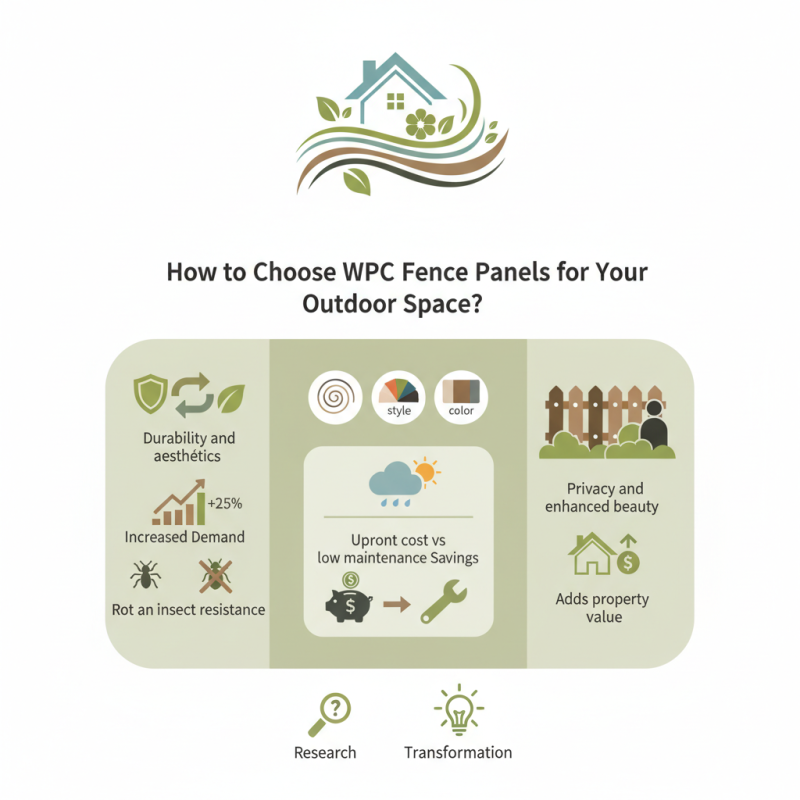
When planning your outdoor space, WPC fence panels stand out as a smart choice. These panels blend durability and aesthetics beautifully. According to a recent industry report, the demand for composite fencing, including WPC (Wood Plastic Composite), has surged by 25% in the last three years. Homeowners are recognizing the benefits of using WPC materials, which resist rot and insects better than traditional wood.
Choosing the right WPC fence panel outdoor requires careful consideration. Factors include the style, color, and the specific environmental conditions of your area. Many find that while WPC offers longevity, it can be more expensive upfront. However, its low maintenance requirements often result in cost savings over time. Reflecting on this decision is essential, as not every product fits every space.
Ultimately, a well-chosen WPC fence panel outdoor can enhance your garden's beauty and functionality. Think about how it shapes your privacy and adds value to your property. The right choice might need more research, but it can transform your outdoor lifestyle dramatically.
Understanding the Basics of WPC Fence Panels
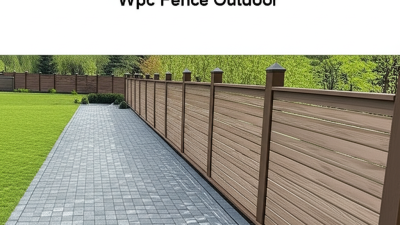
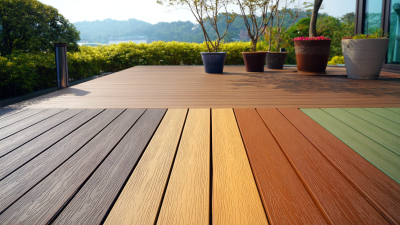
WPC fence panels, or wood-plastic composites, are growing in popularity for outdoor spaces. These panels blend natural wood fibers and plastic, making them durable and eco-friendly. They resist rot, insects, and fading, which can be common issues with traditional wood fences. Additionally, WPC materials come in various colors and finishes, providing options to match your style.
When considering WPC panels, think about your space and needs. Measure the area you want to fence. Visually imagine how different styles would fit. Some homeowners are surprised by color choices. A bright fence may stand out, while subtle tones blend nicely with nature. Consider maintenance too. WPC panels require less upkeep than wood but still need occasional cleaning.
Installation can also present challenges. Ensure the ground is level before setting the panels. Some may find the panels heavier than expected, which can complicate handling. Check local regulations regarding height and design. Sometimes, what looks good in the store doesn’t suit your yard. Reflect on the long-term appearance; fading can affect your investment. Choosing the right WPC fence needs careful thought.
Assessing Your Outdoor Space Needs
Assessing your outdoor space needs is crucial when selecting WPC fence panels. Start by measuring the area you want to enclose. Consider the overall aesthetics. Will the fence complement your home? Think about privacy and security too. How tall should the panels be? These questions help define your needs.
Tips: Look for designs that adapt to your landscape. A sloped yard may require custom panels. After deciding on height, think about the gap between boards. Space affects visibility and air flow. Adjust according to your preference.
Evaluate the quality of the materials. Not all WPC panels are the same. Some may fade or warp over time. Research the lifespan and maintenance required. It's worth investing in options that endure weather challenges. Poor choices can lead to constant repairs, which is frustrating. Take your time. Make thoughtful selections to enjoy your space for years.
Evaluating the Quality and Durability of WPC Materials
When choosing WPC (Wood-Plastic Composite) fence panels,
evaluating quality and durability is crucial. The material's thickness greatly impacts its strength.
Thicker panels often resist warping and cracking better than thinner ones.
Color stability is another important factor.
UV resistance helps maintain the panel’s appearance over time. Look for materials that specify their
resistance to fading.
Examining the warranty can provide insights into the durability of the panels. A longer warranty
often indicates confidence in the product’s longevity. Testing the panels’ weight can also be telling.
Heavier panels often have denser construction, which can enhance durability
against wind and impact. Check if the panels are treated for resistance to pests and moisture.
Selecting WPC fence panels might seem straightforward, but there are many details to consider. Ask for samples
to evaluate texture and finish. Some textures might collect dirt more easily. Think about how the
color will blend with your outdoor space. You may need to readjust your
expectations depending on available choices. An informed decision can lead to long-term satisfaction
and reduced maintenance worries.
Choosing the Right Design and Aesthetic for Your Fence
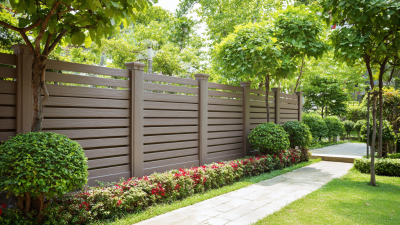
When selecting WPC (Wood Plastic Composite) fence panels, the design and aesthetic play a crucial role. Consider the overall style of your outdoor space. A modern home might benefit from sleek, minimalist panels. On the other hand, a rustic setting could require textured wood-like finishes. Take time to visualize how the fence will interact with your garden and home. It should complement, not clash.
Colors matter too. Earthy tones create harmony with nature, while bold shades can make a statement. Think about your existing landscape. A vibrant flower garden may require neutral fencing to stand out. Alternatively, a subdued garden could pop with a darker fence. Test samples in different lights to see how they look throughout the day.
Reflect on the long-term maintenance of your chosen design. Some finishes may require more upkeep than others. What seems appealing now may not age well. Keep in mind the practical aspects as well. Your aesthetic desires should align with durability and ease of care. Balancing beauty and functionality can be challenging, but it's essential for lasting satisfaction.
How to Choose Wpc Fence Panels for Your Outdoor Space? - Choosing the Right Design and Aesthetic for Your Fence
| Dimension |
Material |
Color Options |
Height (ft) |
Durability Rating |
| 6x8 ft |
WPC (Wood Polymer Composite) |
Gray, Brown, Tan |
6 |
15-20 years |
| 4x6 ft |
WPC |
Red, Beige, Green |
4 |
10-15 years |
| 5x7 ft |
WPC |
Dark Brown, Light Gray |
5 |
12-18 years |
| 8x8 ft |
WPC |
Natural, Charcoal |
8 |
20+ years |
Determining Budget and Installation Options for WPC Fencing
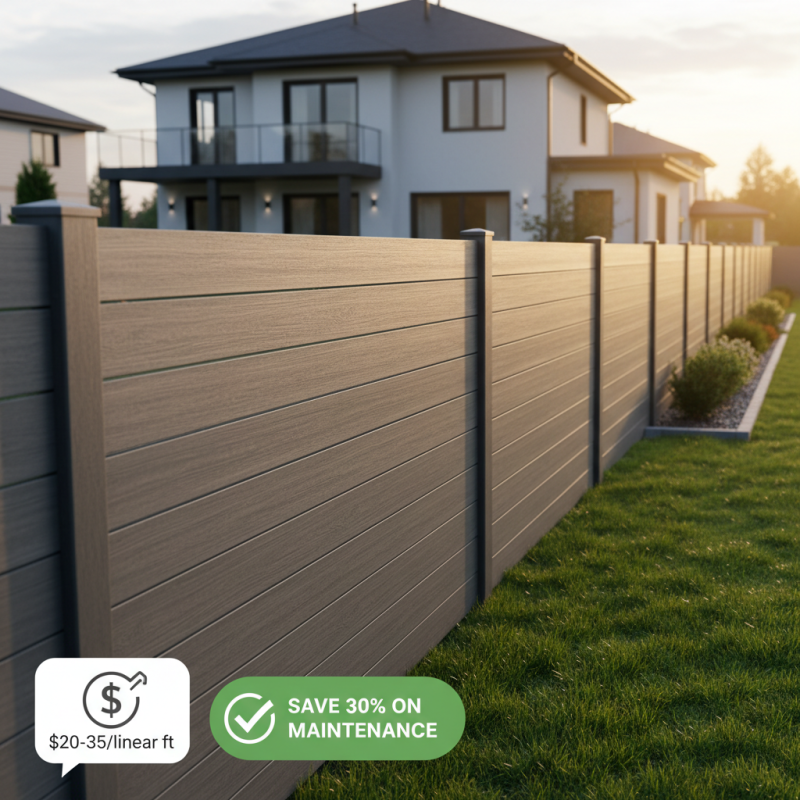
When considering WPC (Wood Plastic Composite) fencing, budget becomes a critical factor. The average cost of WPC fencing can range from $20 to $35 per linear foot. However, this cost varies based on the quality and style of the panels. While it may seem affordable initially, consider long-term maintenance expenses as well. Some studies indicate that WPC fencing can save homeowners about 30% on maintenance costs compared to traditional wood.
Installation options also play a significant role in your decision. DIY installation can reduce costs significantly, often by 20% to 30%. Yet, improper installation might lead to wasted materials and additional expenses. Hiring a professional can guarantee better results but at a premium. Industry reports suggest that about 60% of homeowners choose to hire professionals for intricate designs. This choice often pays off but adds to the initial budget.
Selecting the right panels requires careful thought. Factors such as durability, weather resistance, and appearance should influence your decision. Some WPC panels appear faded after prolonged sunlight exposure, which raises questions about longevity. The texture and color options may conflict with your landscape design. Ultimately, balancing your budget and installation options with aesthetic needs is vital for a satisfactory outcome.

 Hot Selling