Shandong Xiangying New Materials Technology Co., Ltd.


Leave Your Message

10 Essential Tips for Choosing the Right Deck WPC for Your Home?

Choosing the right Deck WPC can transform your outdoor space. It’s essential to make informed decisions during the selection process. Deck WPC offers a blend of durability and aesthetic appeal, but it’s not one-size-fits-all.

Consider factors like climate and intended use. Not all Deck WPC is created equal. Some options might fade in sun exposure, while others could warp in humidity. Visualize your space; the right color and texture can enhance your home's style.

Think about installation costs too. Sometimes a cheaper option may lead to higher maintenance expenses later. Reflect on the long-term benefits versus short-term savings. It’s crucial to find a balance that suits your lifestyle and budget. Researching brands and product reviews can aid your decision. Ultimately, taking your time means creating a beautiful, lasting deck for years to come.
10 Essential Tips for Choosing the Right Deck WPC for Your Home?

Understanding WPC Decking: What It Is and How It Works

10 Essential Tips for Choosing the Right Deck WPC for Your Home?

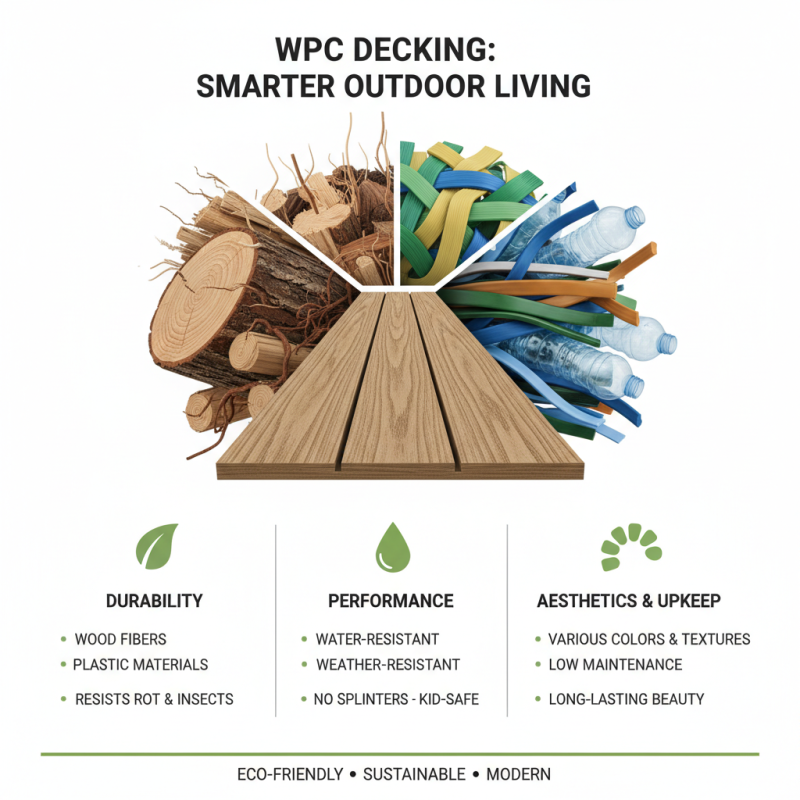
WPC decking, short for wood-plastic composite, combines wood fibers and plastic materials. This blend results in durable, water-resistant decking. WPC is designed to withstand the elements, making it ideal for outdoor use. It doesn't splinter like traditional wood, which is a huge plus for families with kids. The aesthetic appeal is significant too, with various colors and textures available.

Installation requires careful consideration. Decking can expand and contract based on temperature changes. This means good planning is essential. Many overlook this aspect, leading to gaps or buckling in their decks. Additionally, maintenance is less demanding compared to pure wood options, yet some still prefer the authentic feel of natural materials. While WPC can mimic wood beautifully, it may not fully satisfy those who love the organic scent of timber. Choose wisely, as each option has its pros and cons, and personal preference plays a big role.
Evaluating Different Types of WPC Materials for Durability

When evaluating WPC materials, durability is key. Wood-plastic composites combine wood fibers with plastic to offer strength and stability. A report from the American Wood Council indicates that quality WPC can last 25 years or more with proper maintenance. However, not all WPC materials are created equal. Factors like the ratio of wood to plastic significantly influence their durability.

Testing shows that WPCs with higher plastic content resist moisture and decay better than those with lower ratios. Interestingly, some studies found that WPCs can shrink or warp under extreme temperatures. Homeowners should consider their local climate when selecting materials. Additionally, some WPCs may fade in sunlight, affecting aesthetics over time. It is wise to look for products with UV inhibitors for better resistance to fading.

Moreover, regular maintenance is crucial. Cleaning with mild soap can prolong the life of WPC decks. However, high-pressure washing can damage the surface. Homeowners must weigh the pros and cons carefully. Choosing incorrect materials can lead to costly repairs. Always consider the specific needs of your environment to make a wise investment.

Durability Comparison of Different WPC Materials for Decking

Considering Climate Conditions in Your Deck Selection Process

10 Essential Tips for Choosing the Right Deck WPC for Your Home?

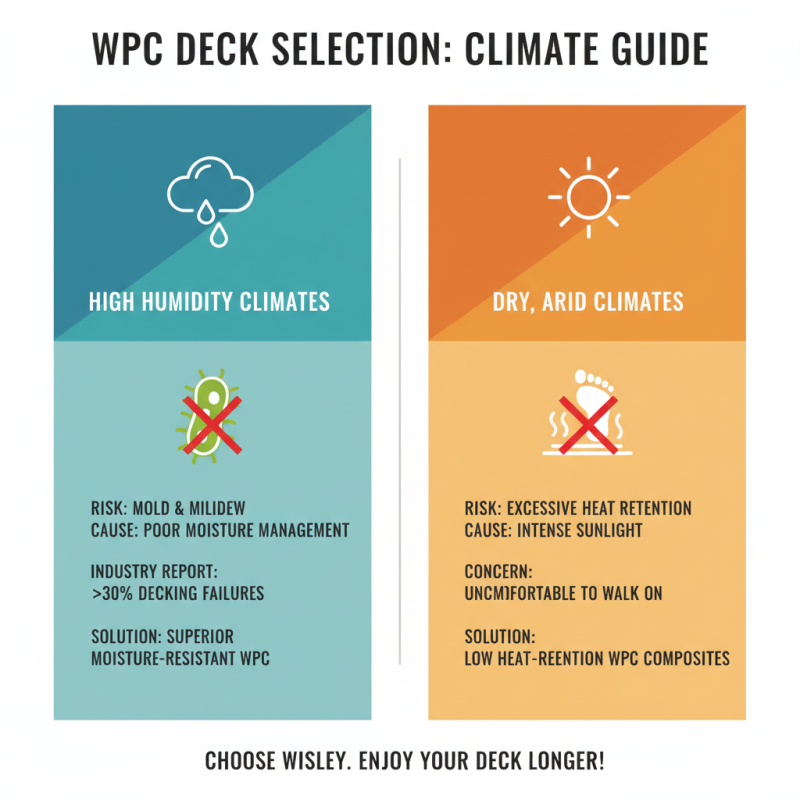
When selecting the right WPC deck for your home, climate is a crucial factor. In regions with high humidity, mold and mildew can flourish on decks. A recent industry report shows that over 30% of decking failures occur due to poor moisture management. Thus, a WPC material with superior moisture resistance is vital. For dry, arid climates, heat retention is a concern. Certain composites can become too hot under intense sunlight, making them uncomfortable to walk on.

Understanding temperature fluctuations is also important. In cold climates, some materials may contract, leading to gaps or warping. Conversely, materials can expand in heat. A survey found that 40% of homeowners regretted not considering weather conditions during their selection process. It's essential to analyze your local climate patterns before making a decision.

Lastly, be aware of your deck's exposure to UV rays. Some WPC products fade faster than others due to sun exposure. A study indicated that nearly 25% of deck owners noticed significant fading within five years. Testing your selected material in your local conditions can provide insight. Stop and reflect on what matters most for your unique environment.

Assessing Aesthetic Options: Colors and Textures for Your Home

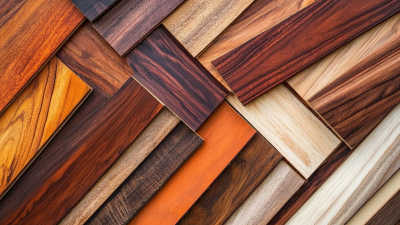
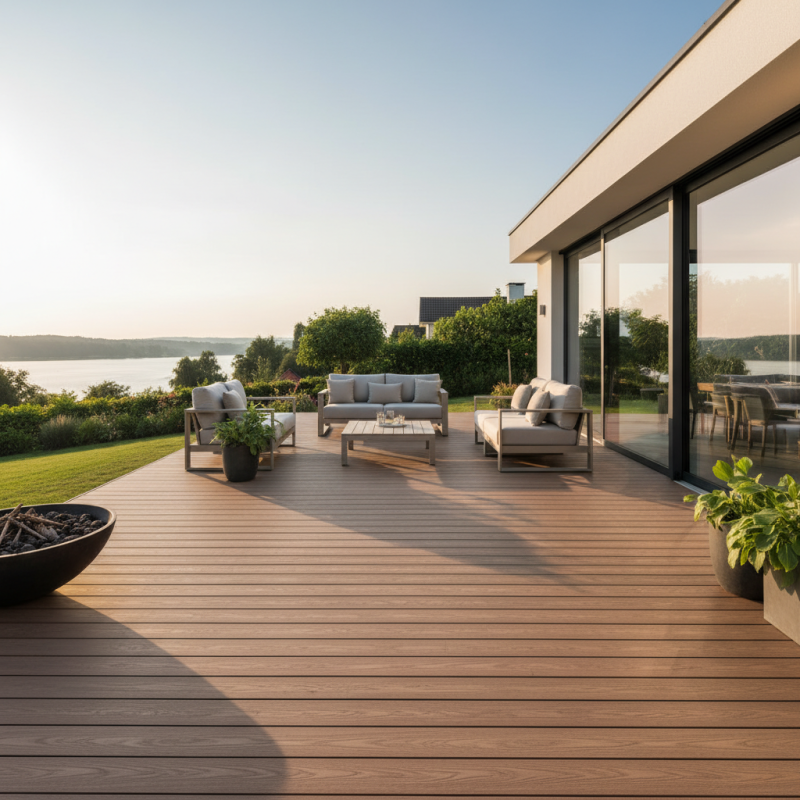
When choosing the right deck WPC for your home, aesthetic options play a vital role. The color you select can set the mood of your outdoor space. Light tones can create an airy feel, while darker shades provide a sophisticated touch. It's essential to visualize how these colors will complement your existing decor.

Consider your home's exterior colors. Will the deck blend in or stand out? This choice can affect the overall harmony of your property.

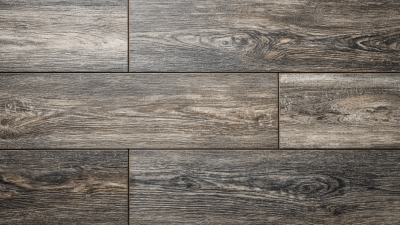
Textures also matter when making your decision. Smooth surfaces offer a modern look, while wood-like finishes can evoke a classic feel. Think about how you’ll use the space. A slip-resistant texture is practical for safety, especially in wet areas.

It’s worth reflecting on how different textures can impact the look and feel of your deck. Are you drawn to the rustic charm or a sleek finish? Your personal preference is key, but so is practicality.

Balance your desires with what works best for your lifestyle. Consider real-life scenarios and how the aesthetic choices will hold up over time.

Budgeting for Your WPC Deck: Costs and Long-term Investment Considerations

When budgeting for your WPC deck, it's crucial to consider both upfront costs and long-term investments. A recent industry report highlighted that the average cost of WPC decking ranges from $2.50 to $10 per square foot. This wide range depends on factors like quality, design, and installation complexity. Choosing mid-range options may result in significant savings without sacrificing quality.

Long-term maintenance is also a critical factor. WPC decks typically require less upkeep than traditional wood. However, the initial price may take potential buyers aback. A study indicated that while WPC decks may cost more upfront, they can increase home value, yielding a return on investment of around 70%.

Furthermore, consider climate and sustainability. WPC materials can better withstand harsh weather and resist mold. This durability translates to fewer replacements over time. Yet, some homeowners find it hard to balance cost with environmental concerns. Ultimately, researching and understanding the long-term implications of your choice is essential. Each decision should align with your financial goals and values.

10 Essential Tips for Choosing the Right Deck WPC for Your Home

Tip Description Cost Estimate ($) Lifespan (Years)
Choose the Right Material Select WPC that offers the best combination of aesthetics and durability. $3 - $7 per sq. ft. 25 - 30
Evaluate Your Budget Determine your budget to ensure you select affordable options without compromising quality. $2000 - $5000 N/A
Consider Maintenance Costs Factor in annual maintenance costs for cleaning and repairs. $150 - $300 N/A
Inspect Warranty Options Check for warranties that cover wear and tear for peace of mind. N/A N/A
Assess Environmental Impact Consider eco-friendly materials and their sustainability ratings. N/A N/A
Check Installation Costs Include installation costs in your budget when planning. $1000 - $3000 N/A
Inquire About Slip Resistance Choose materials with good slip resistance, especially in wet conditions. N/A N/A
Choose the Right Color and Texture Select color and texture that complements your home and style. N/A N/A
Plan for Future Additions Consider potential future projects or extensions when selecting materials. N/A N/A