
 Hot Selling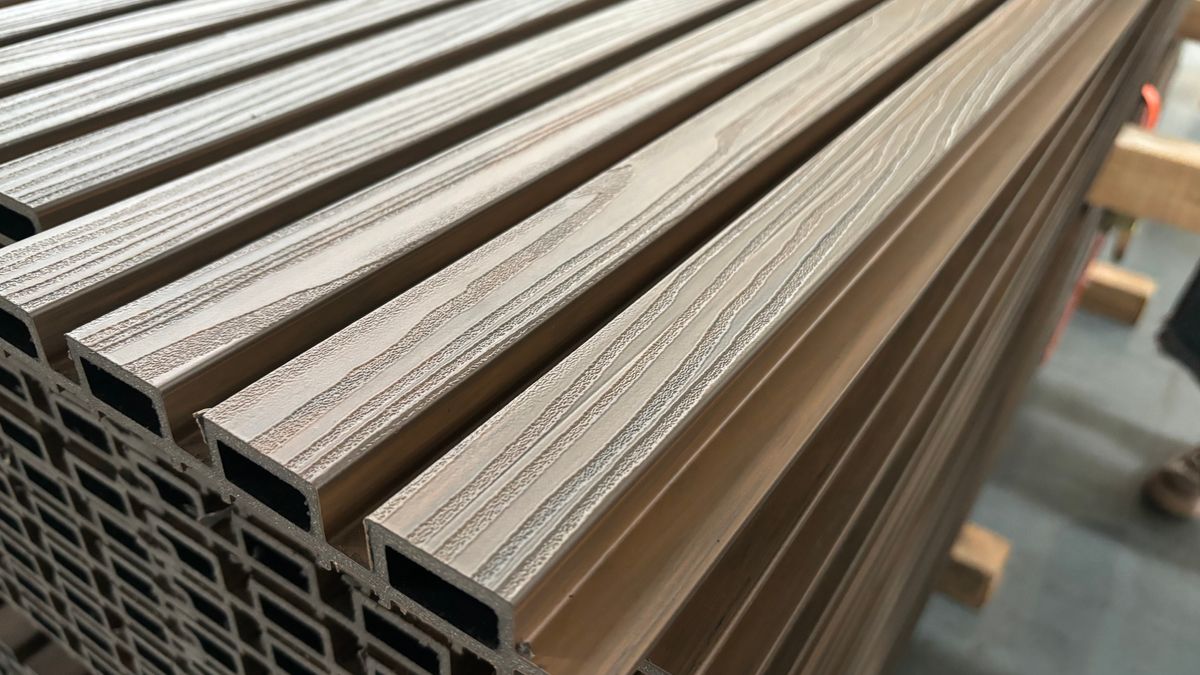

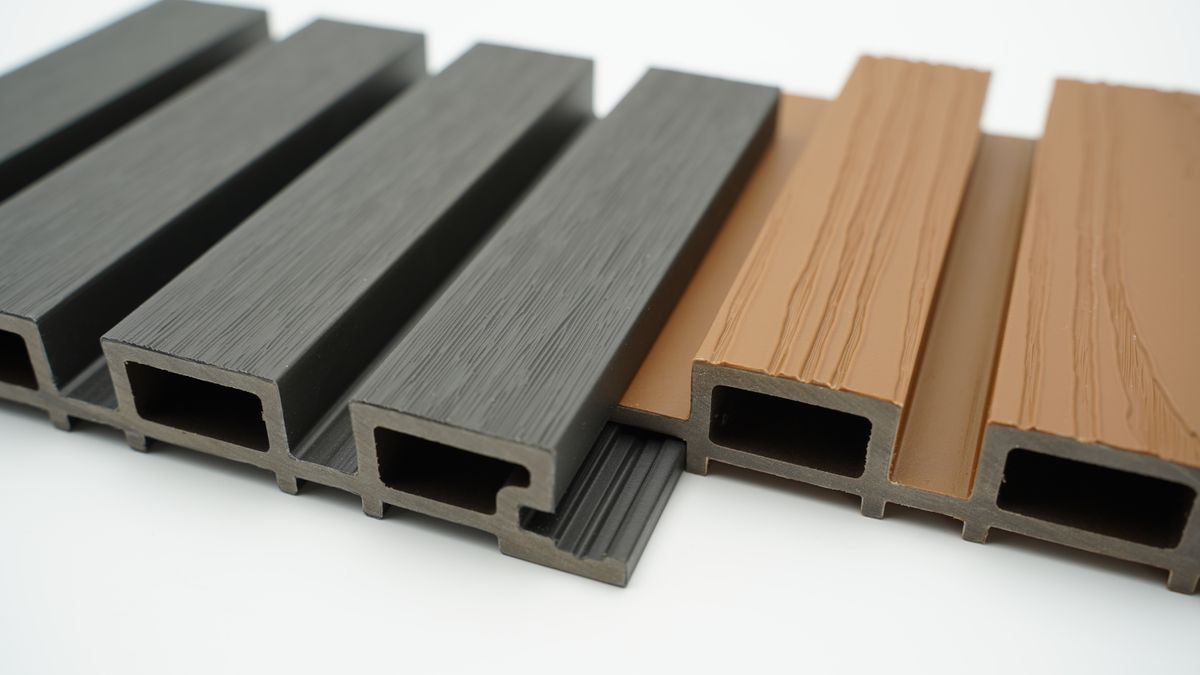
Bamboo Charcoal Wood Veneer: Enhancing Comfort, Sustainability and Style in Modern Spaces
One major benefit of bamboo charcoal veneer is its acoustic and thermal comfort. Thanks to the porous nature of bamboo charcoal, the veneer helps dampen ambient noise and can contribute to temperature regulation in rooms — helping create quieter, more comfortable living and working environments. This makes it particularly suitable for settings like offices, bedrooms, conference rooms or lounges.
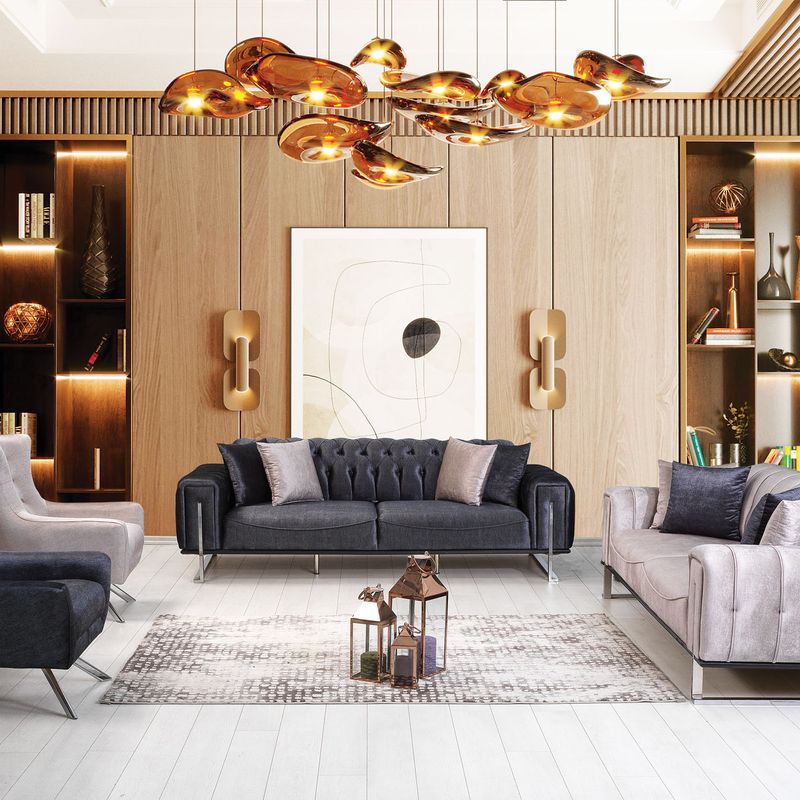
Furthermore, this veneer typically incorporates eco-conscious manufacturing: using fast-growing bamboo (matures in 3–5 years vs decades for many hardwoods), often with recycled fibers or bamboo waste, which lowers the environmental impact and supports greener supply chains. Compared to traditional Wood Veneers or synthetic panels,bamboo charcoal veneer offers a reduced carbon footprint while still delivering strong durability and finish stability.
The veneer also excels in resistance to mold, pests, and fire under standard treatment and production processes — offering a more robust alternative to regular wood, especially in humid or hygiene-sensitive environments like kitchens, bathrooms, hotels, clinics, or public spaces.
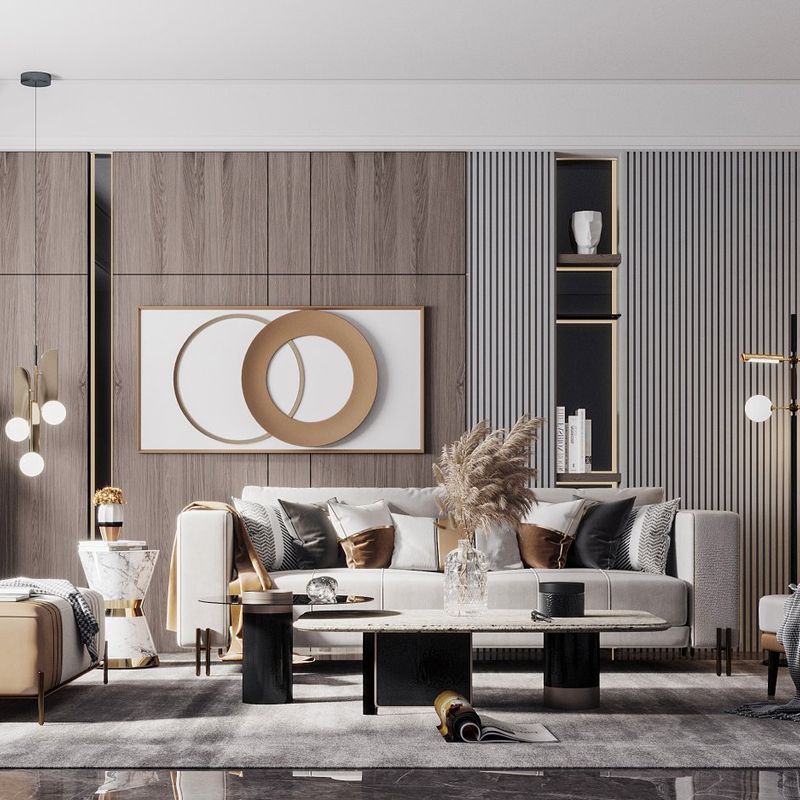
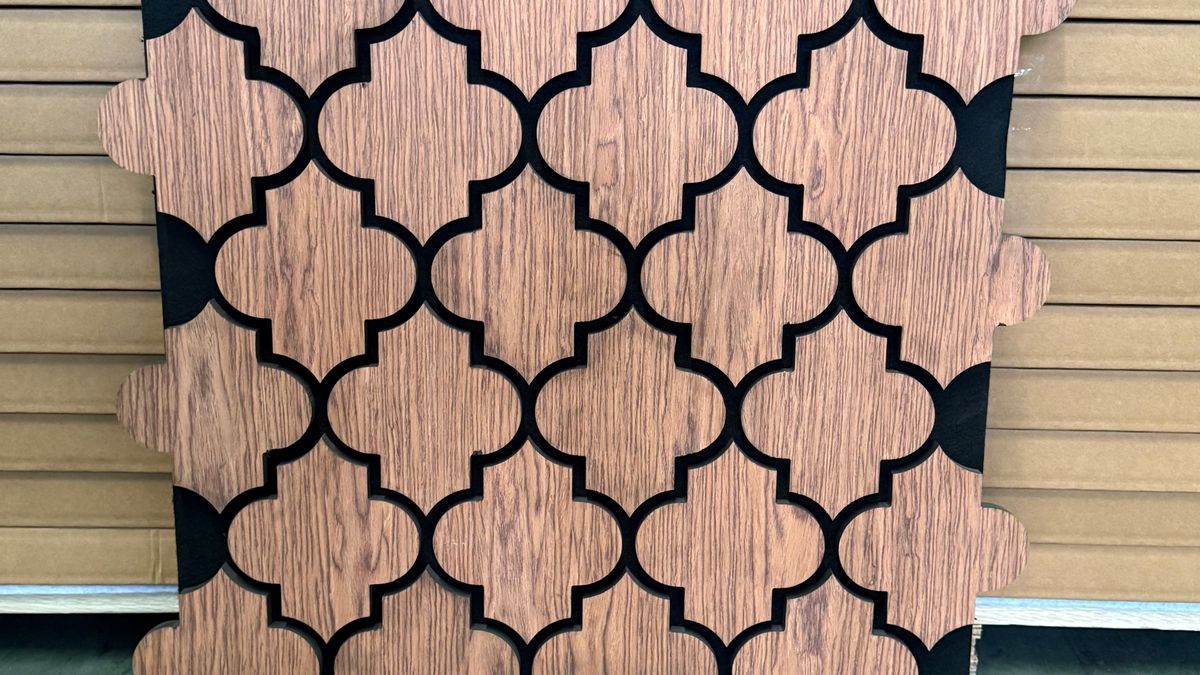
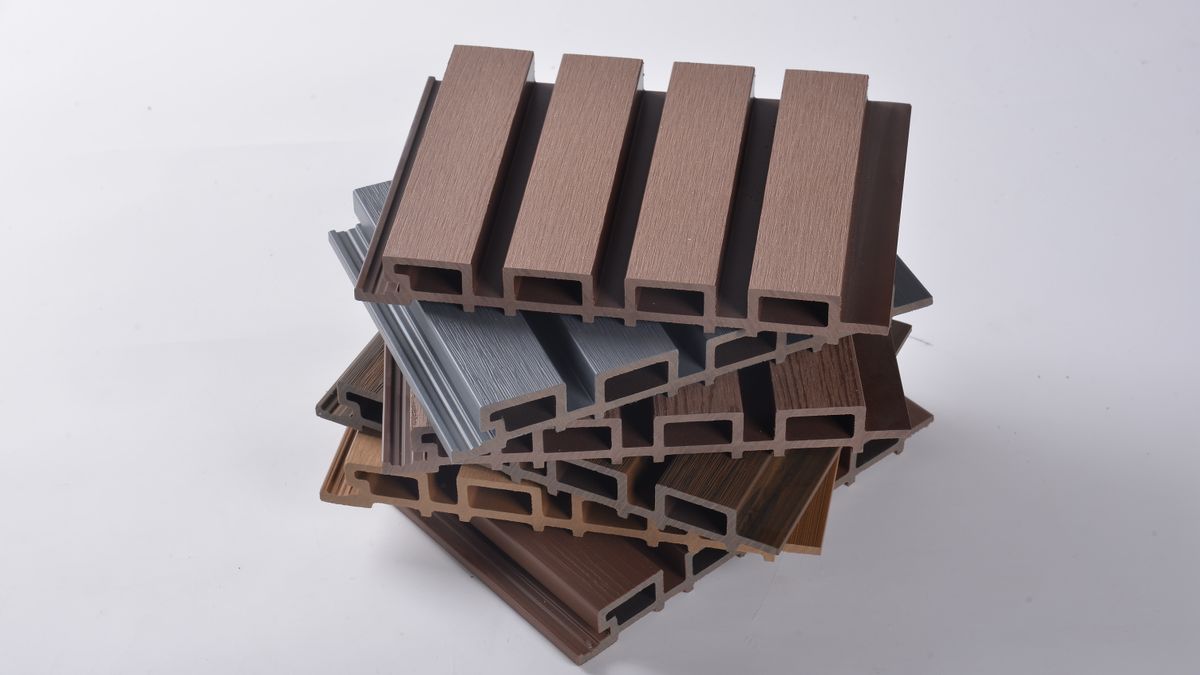
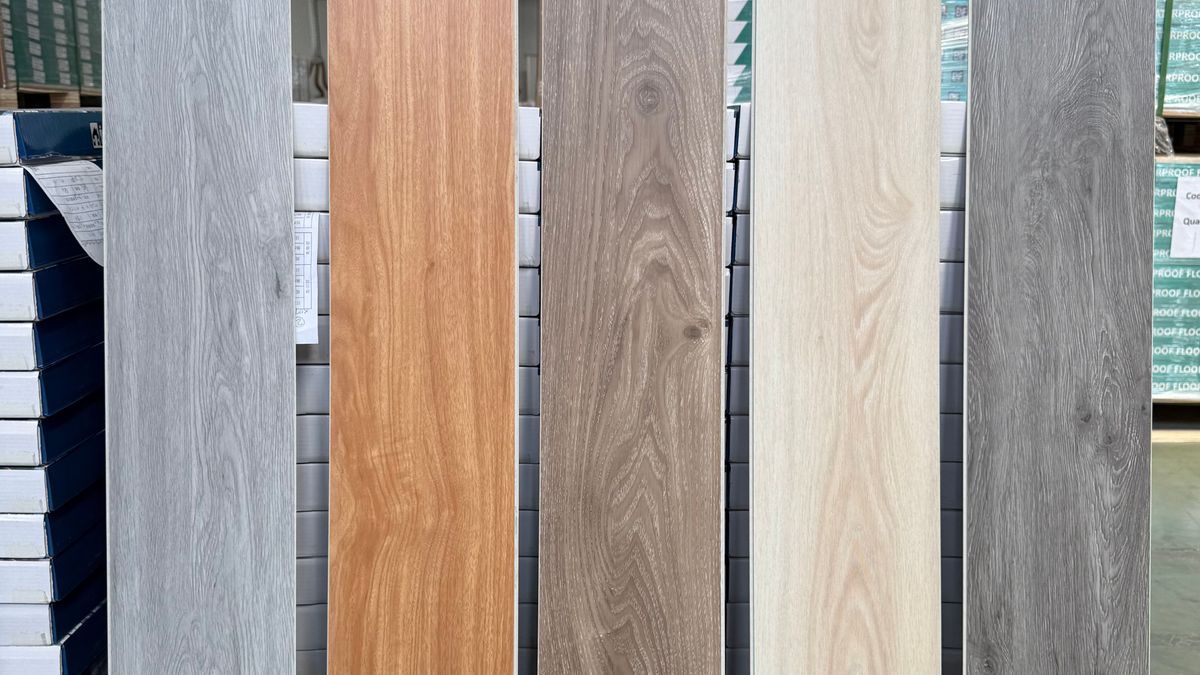
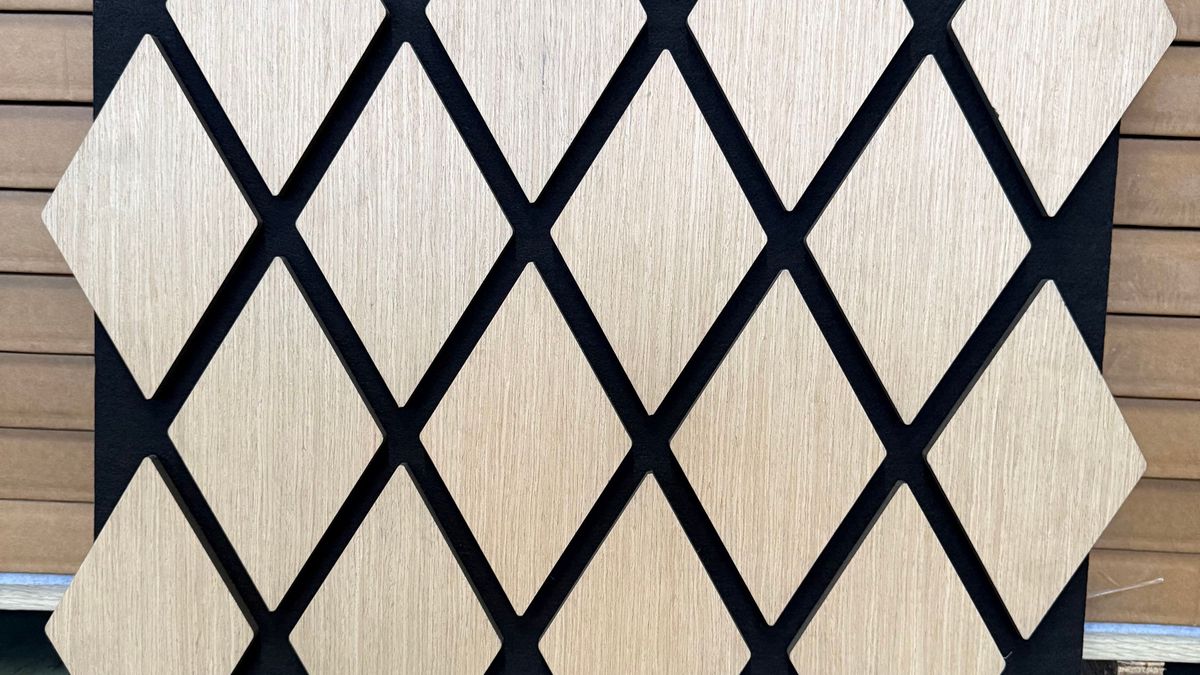
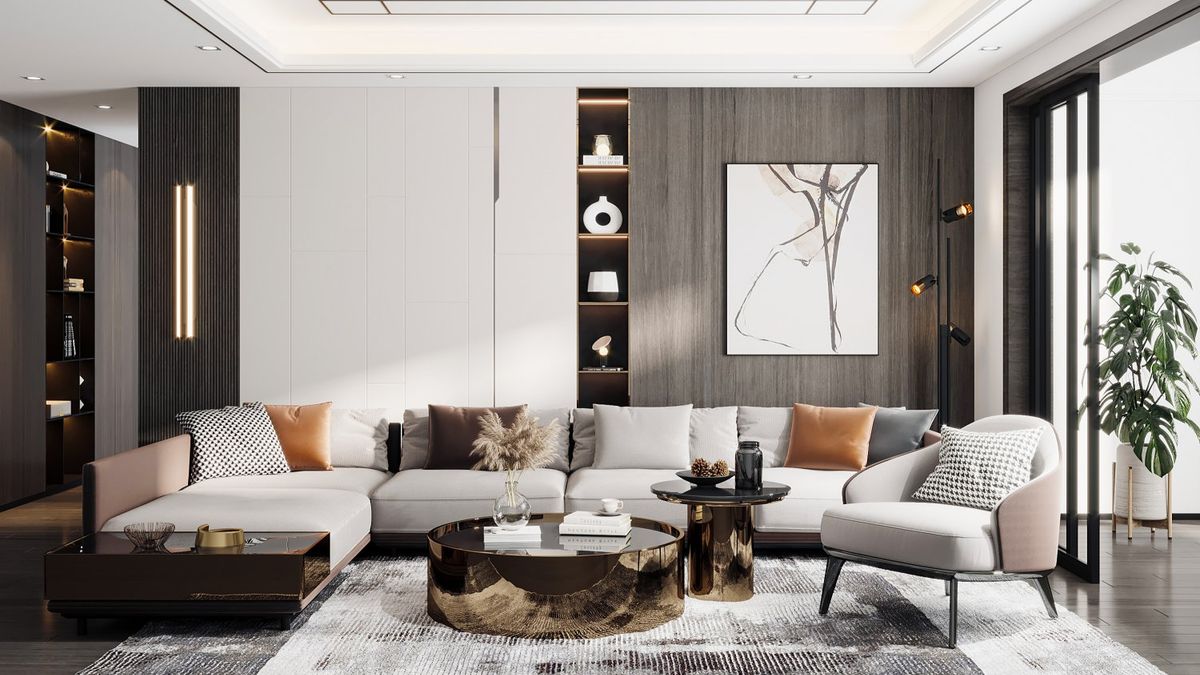
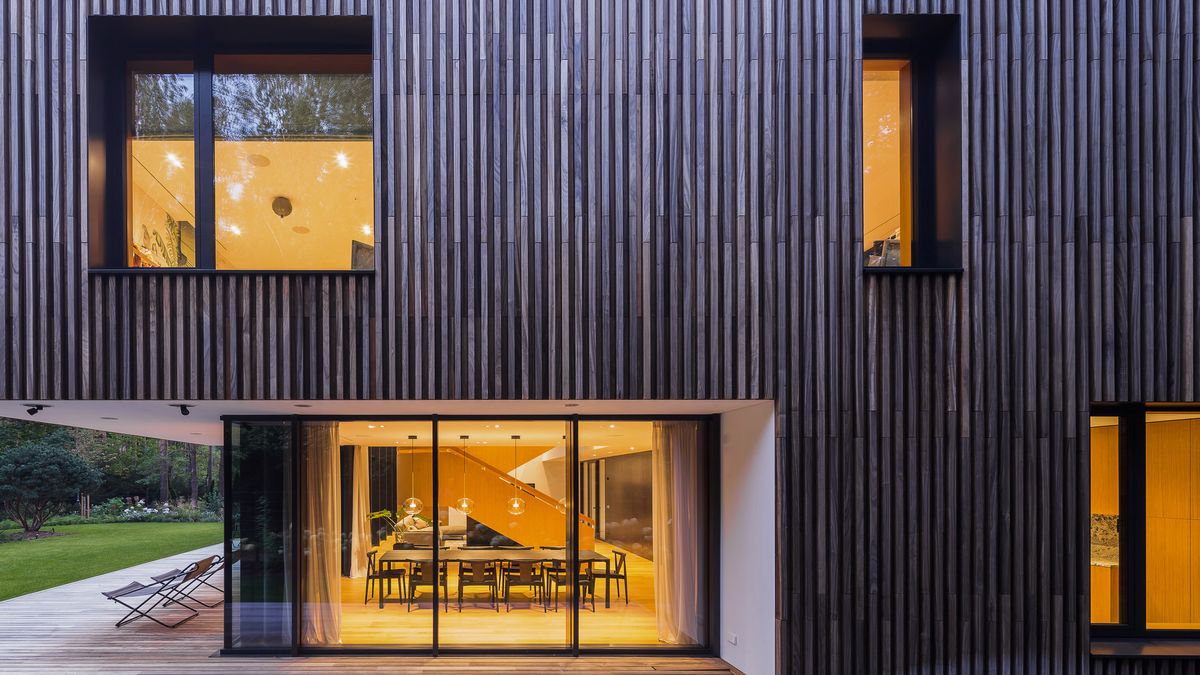
From a design standpoint, Bamboo Charcoal Wood Veneer offers great versatility. It supports a broad range of finishes — from natural bamboo wood grains to darker charcoal tones or even stylized textures. Designers and architects can leverage this material to create warm, modern, or minimalist aesthetics in living rooms, hotel lobbies, office interiors, cabinetry, ceilings, and Decorative Panels.
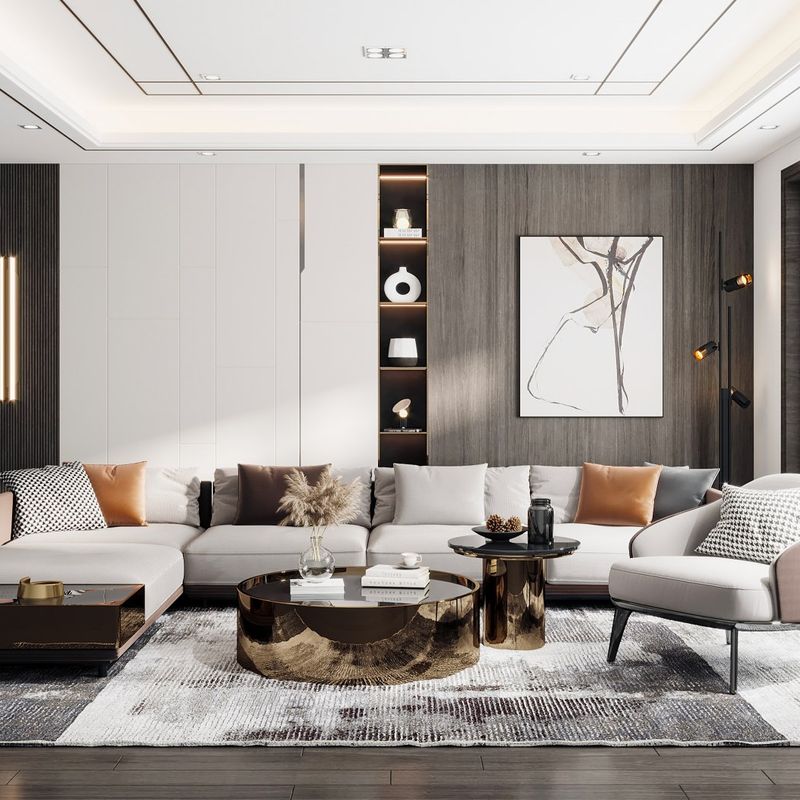
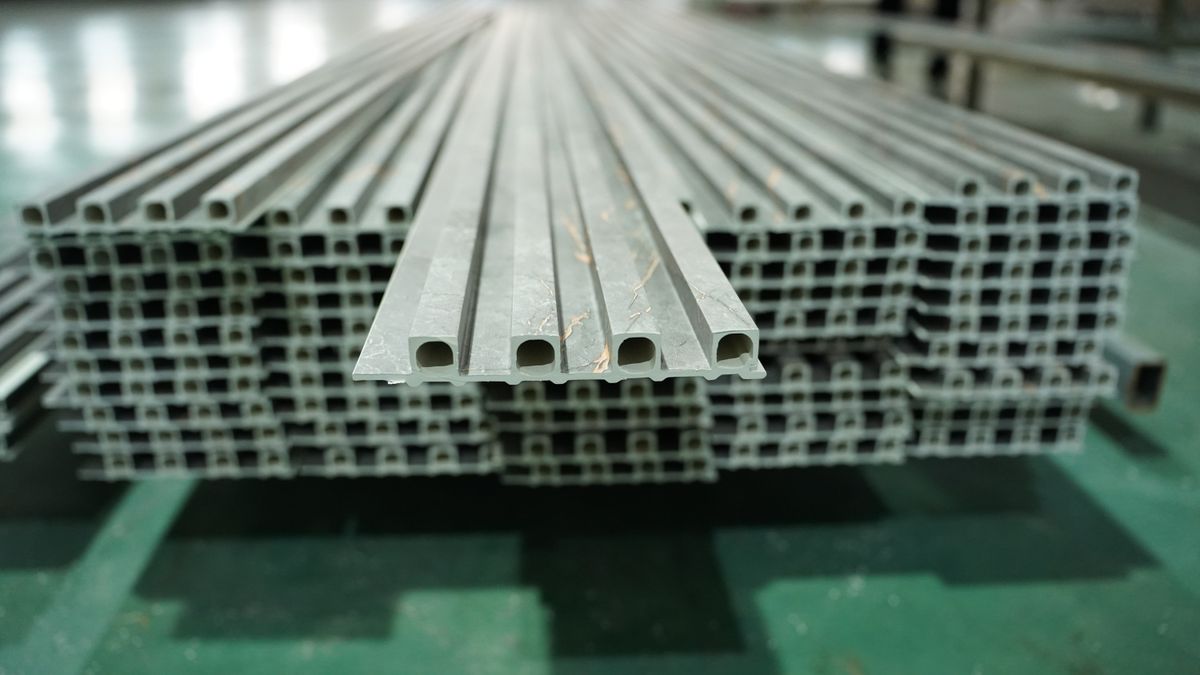
Installation is practical and efficient. The material can be cut, bent, and shaped for curved surfaces, walls, or furniture overlays. Given its stability and easy maintenance — wiping with a damp cloth usually suffices — it simplifies life-cycle management for properties.
In conclusion, Bamboo Charcoal Wood Veneer offers a compelling package: air quality enhancement, sustainable sourcing, acoustic and thermal comfort, durability, and design flexibility. For projects aiming to combine environmental responsibility with elegant, long-lasting interiors — be they residential homes, hotels, offices, or public buildings — this material offers a smart and holistic solution. Shandong Xiangying continues to recommend it to clients committed to high quality, healthy, and sustainable design.