
 Hot Selling



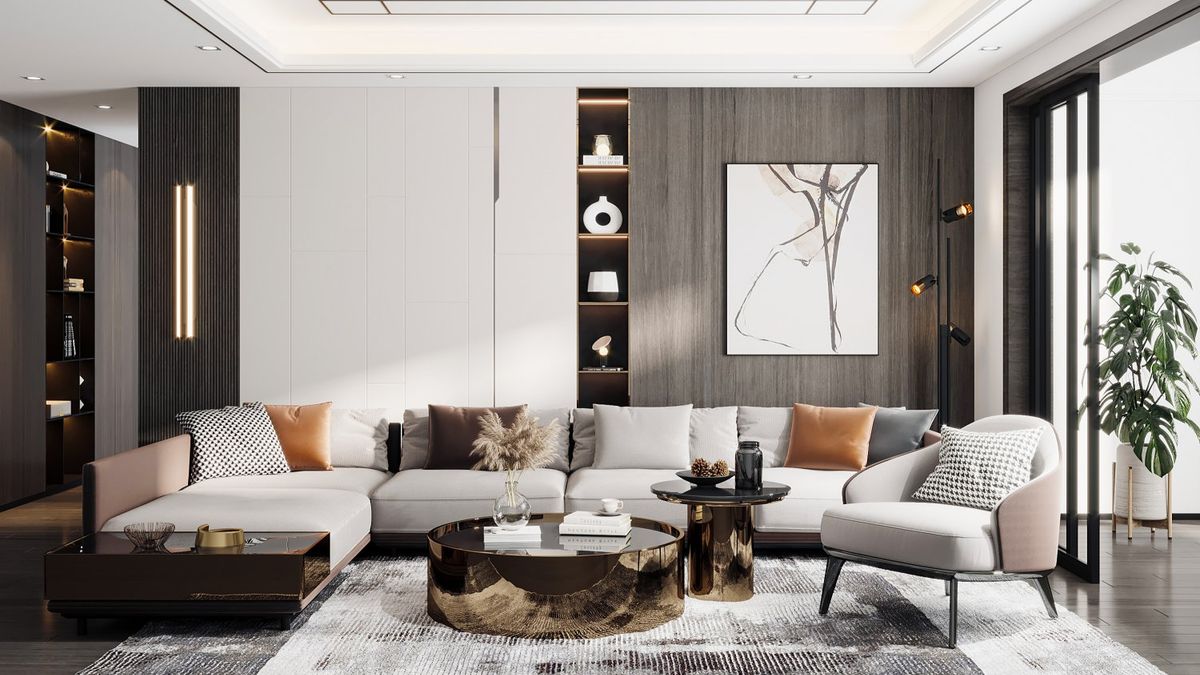
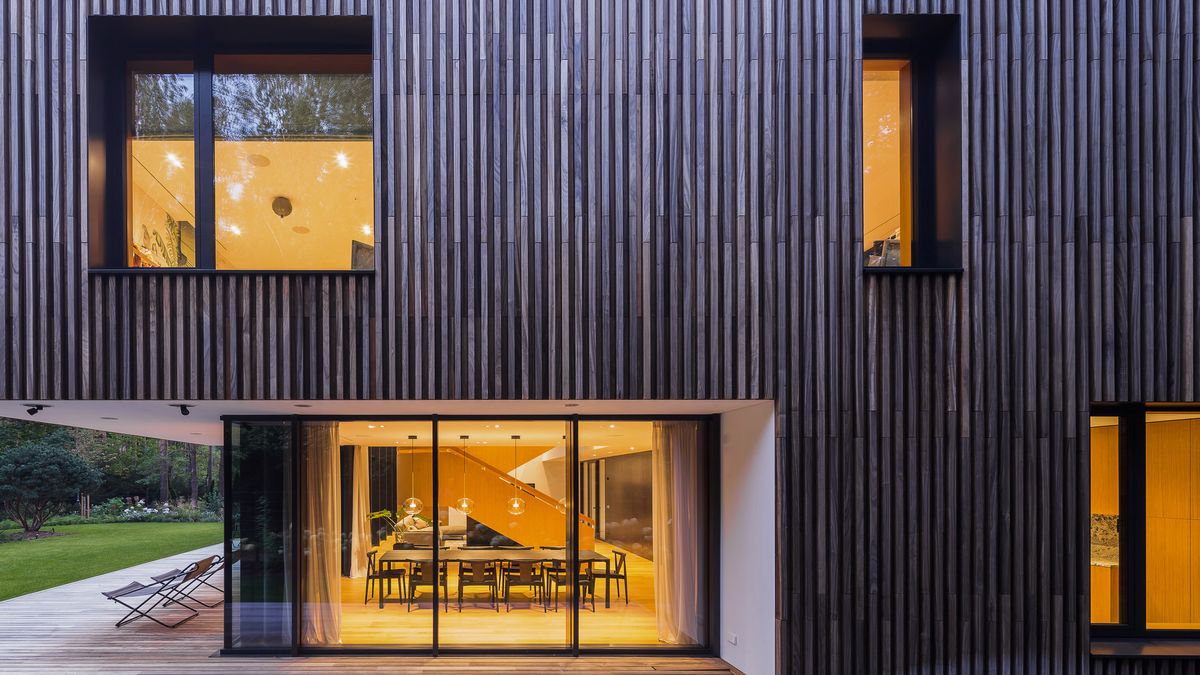
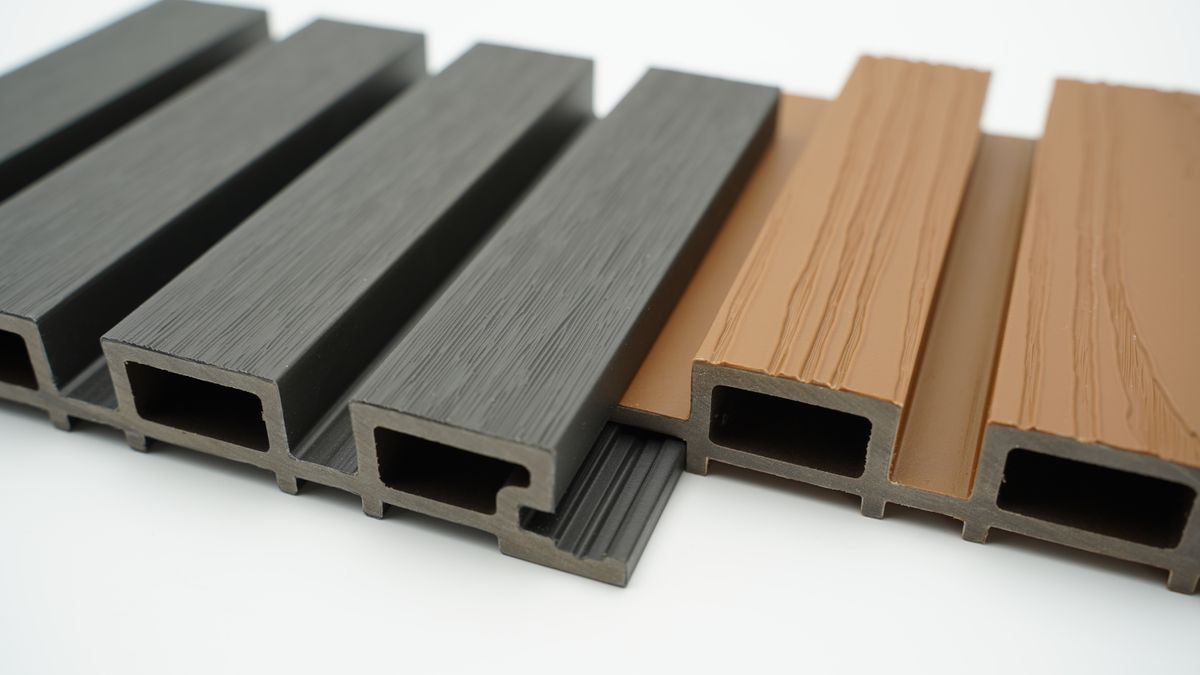
Deep Dive into Acoustic Panel Applications: Leveraging Sound Control for Better Space Design
In an age where humans spend significant portions of their time indoors — whether at work, school, home, or leisure venues — indoor acoustics have transitioned from background consideration to key functional design criteria. Acoustic panels are at the forefront of this evolution, offering solutions that not only reduce noise but also enhance architectural character and space utility. Contemporary acoustic panel use stretches far beyond traditional studios to many facets of modern life and environment design.
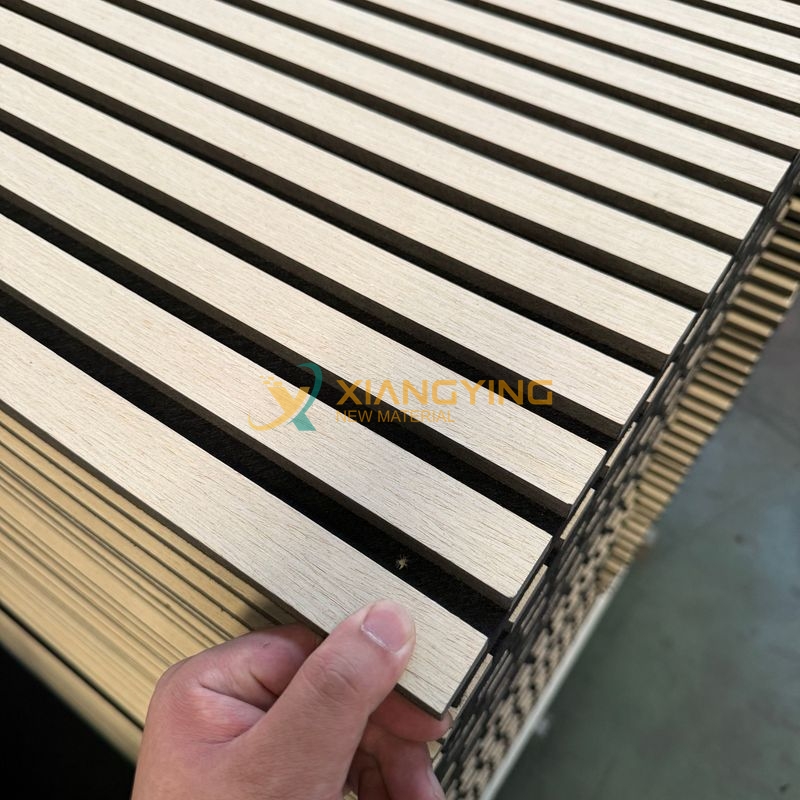
Acoustic Panels in Open Workspaces and Offices
Open office designs emerged as a popular workplace trend to foster collaboration, flexibility, and transparency. However, the lack of partitions and abundance of hard surfaces often lead to high ambient noise, echo, and distractions that harm productivity and worker satisfaction. Acoustic panels provide targeted solutions by absorbing unwanted sound reflections and reducing reverberation, directly improving speech intelligibility and focus in open areas. They are often integrated into walls, ceilings, partitions, or even suspended from overhead structures to maximize coverage without impeding design intent.
Meeting rooms and conference spaces, where communication clarity is critical, benefit significantly from acoustic treatments. Poor acoustics in these environments often result in misunderstandings, listener fatigue, and reduced engagement. By deploying acoustic panels, sound quality is enhanced, ensuring participants can hear and understand presentations and discussions clearly, fostering effective collaboration and decision-making.
Impact in Educational and Learning Environments
Noise and reverberation are significant barriers to effective learning. In classrooms, lecture halls, and auditoriums, acoustic panels help manage sound reflections that can distort speech and make it difficult for students to follow lectures. Schools and universities that invest in proper acoustic design find that panels support clearer communication between instructors and students, contributing to better academic success and overall learning experience. Strategic placement of panels on walls and ceilings helps minimize ambient noise and improves concentration.
Similarly, libraries, study halls, and reading rooms adopt acoustic treatments to create serene environments that minimize distractions, allowing students to focus on research and study without the interference of background noise.

Enhancing Hospitality and Public Experience
In the hospitality industry, guest comfort extends beyond aesthetics and service — acoustic comfort has become a defining factor in guest satisfaction. High ceilings, hard floors, glass walls, and open lobbies can contribute to chaotic sound environments, especially during busy periods. Acoustic panels help manage background noise in hotel lobbies, restaurants, bars, and dining spaces, creating calm, comfortable, and inviting environments that encourage longer stays and higher guest satisfaction.
In hotels, installation of acoustic panels in corridors, guest rooms, and conference facilities significantly enhances privacy and reduces noise transmission. This is particularly important in guest rooms where external hallway noise or room-to-room sound leakage can undermine comfort and sleep quality. Acoustic integration has become a competitive advantage for hospitality brands that prioritize premium guest experiences.
Residential and Lifestyle Acoustic Solutions
Noise challenges are not limited to commercial environments. Residential settings — especially in urban areas — wrestle with street noise, echo in open floor plans, and sound transfer between rooms. Acoustic panels installed in homes help absorb sound, creating peaceful and comfortable living environments. In home theaters and music rooms, panels significantly improve sound clarity and reduce unwanted reflections, allowing for immersive audio experiences that rival professional environments.
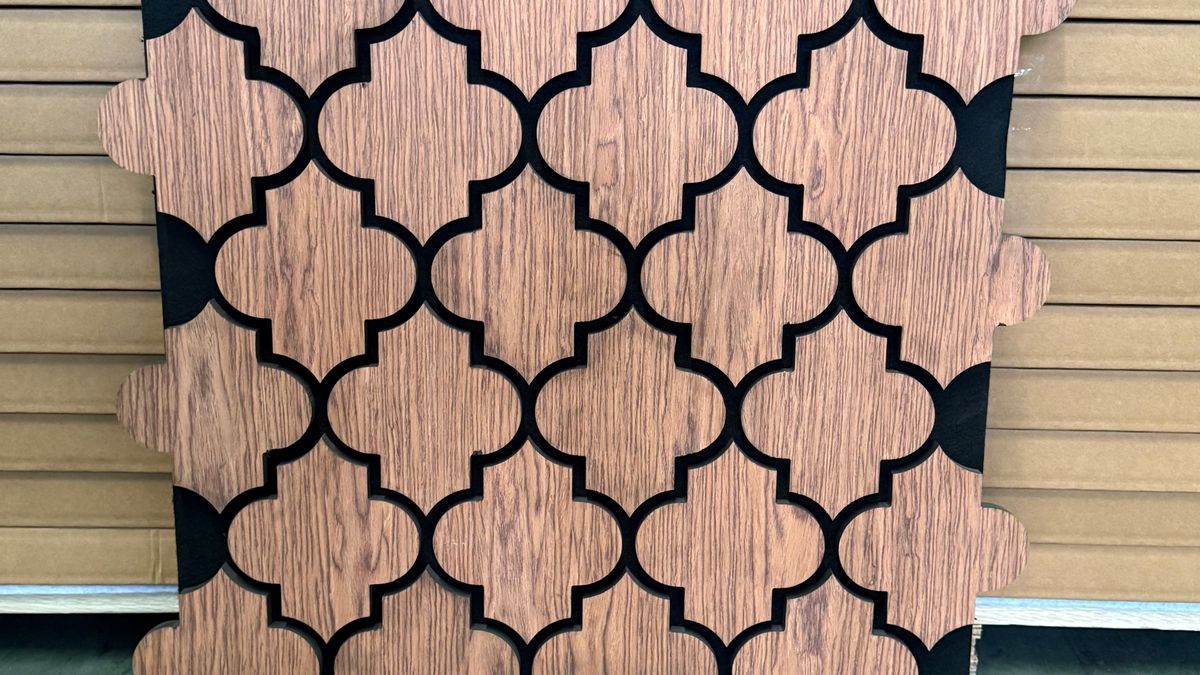
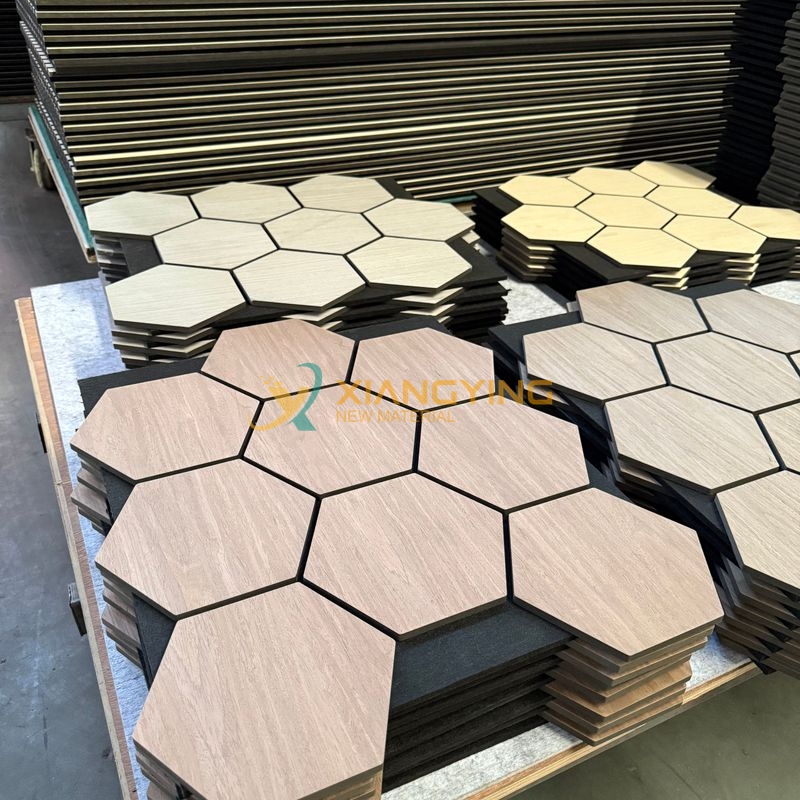
Beyond functional sound control, acoustic panels contribute to residential interior design. With options ranging from fabric-wrapped panels to decorative perforated wood designs, homeowners can enhance their décor while tackling acoustic issues.
Spaces Where Aesthetics Meet Function
Acoustic panels are no longer hidden utilities — they have become design features that contribute to the overall visual language of a space. Architects and interior designers use panels as creative elements that add texture, pattern, and rhythm to walls and ceilings. Custom shapes, colors, and textures allow panels to act as artistic focal points while performing their core function of sound management. This aesthetic versatility has elevated acoustic panels from behind-the-scenes tech products to visible design assets.
Industrial and Public Applications
Noise management is crucial in high-noise environments like industrial facilities, utility rooms, and manufacturing spaces. Acoustic panels reduce reverberations caused by machinery and mechanical equipment, improving communication clarity for operators and reducing long-term hearing fatigue. In public venues such as museums, auditoriums, and community centers, acoustic panels provide consistent sound absorption that enhances speech delivery during events and presentations.
Privacy, Comfort, and Well-Being
Acoustic panels play a significant role in enhancing privacy by limiting sound transmission between spaces. This is essential not just in offices, but also in healthcare facilities, legal offices, counseling rooms, and conference areas where confidential discussions take place. By absorbing excess sound and reducing echo, panels foster environments that are not only quieter but also more respectful of privacy and personal space.
Moreover, reduced noise levels have a demonstrable impact on well-being. Excessive noise is linked to stress, distraction, and fatigue. By absorbing intrusive sound and regulating the acoustic environment, these panels help create calmer spaces that support mental focus, emotional comfort, and overall productivity — whether in work settings, learning environments, or homes.
Environmental and Sustainable Considerations
Today’s acoustic panels often incorporate eco-friendly materials — including recycled fibers and low-VOC finishes — aligning with sustainability goals in green building standards such as LEED. By contributing to improved indoor environmental quality and reducing reliance on heavy construction modifications, acoustic solutions support both energy efficiency and long-term space performance objectives.
Conclusion
From vibrant offices and dynamic learning environments to hospitality venues and serene residential spaces, acoustic panels have become indispensable tools for modern designers, architects, and property owners. Their ability to manage sound, enhance privacy, improve comfort, elevate aesthetics, and support overall well-being makes them one of the most important elements in contemporary interior environments — where sound quality matters as much as visual appeal.