 Hot Selling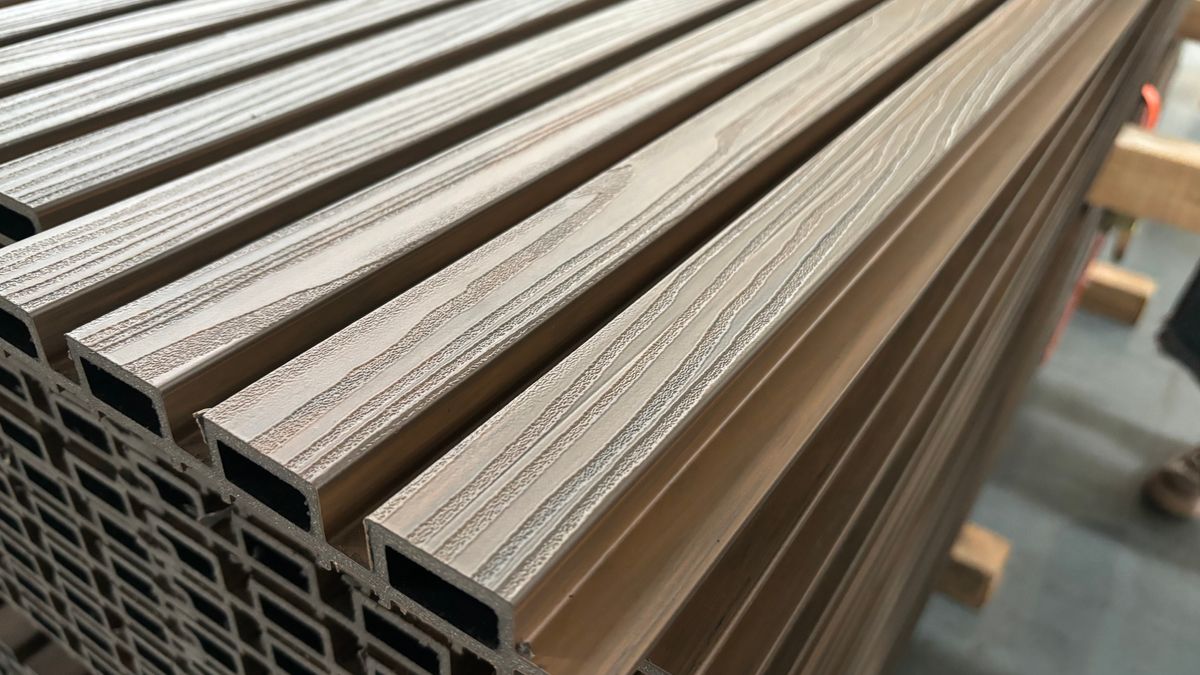
Immersive Applications of WPC Decking Across Residential, Commercial, and Public Environments
In recent years, Wood-Plastic Composite (WPC) deckinghas become one of the most widely specified materials for outdoor floors globally, offering a blend of durability, safety, low upkeep, and design flexibility that traditional wood simply cannot match. As lifestyle trends continue to favor outdoor living and multifunctional exterior environments, Wpc Decking is emerging as a premier choice for projects large and small.
Residential Lifestyle Enhancement
One of the most visible applications of WPC decking today is in residential outdoor spaces. Homeowners are increasingly transforming basic patios, backyards, and balconies into functional outdoor living areas that seamlessly blend with interior spaces. This transformation is driven by WPC decking’s ability to withstand the elements — moisture, UV exposure, and temperature swings — without the warping, cracking, or splitting associated with traditional wood boards.
WPC decking around home swimming pools and garden walkways offers both aesthetics and safety. Its textured, slip-resistant surface provides secure footing even when wet, reducing the risk of accidents — a key consideration for families with children or pets. Additionally, because WPC decking does not splinter like wood, it is comfortable for bare feet and minimizes maintenance concerns.
Urban residential developments, particularly rooftop gardens and elevated terraces, also leverage WPC decking to create functional outdoor living rooms that withstand wind, rain, and sun exposure. These spaces often incorporate built-in seating, planter boxes, and integrated lighting systems to maximize both utility and ambience, demonstrating how WPC decking can elevate everyday living spaces into outdoor sanctuaries.
Hospitality and Commercial Placemaking
Beyond private homes, WPC decking plays a significant role in the hospitality and commercial sectors. Restaurants, cafés, and hotel outdoor dining areas benefit from WPC’s durability and aesthetic appeal, providing guests with comfortable, visually coherent environments that endure heavy usage throughout the year. Properties located in coastal or humid regions particularly value WPC’s water resistance, as these conditions normally accelerate deterioration in traditional wood decking.
Many resort properties and high-end hotels select WPC decking for poolside lounges, boardwalks, and resort terraces. The boards’ resistance to rot, mold, and insect damage combined with low maintenance requirements means less downtime for repairs and more consistent guest experience — a high priority in hospitality design. Urban plazas and boutique retail locators also use WPC decking as a flooring solution that integrates effortlessly with outdoor dining zones and pedestrian walkways. These high-traffic areas demand materials that resist wear while maintaining quality and safety.
Public Infrastructure and Recreational Facilities
Municipalities and urban planners have tapped into WPC decking for large-scale public applications such as waterfront promenades, park walkways, and observation decks. Because WPC decking resists moisture, fungal growth, and UV degradation, it sustains long service life even under relentless public use and exposure to weather extremes. Boards installed in parks and recreational corridors eliminate splinter hazards, provide comfortable walking surfaces, and often meet accessibility standards for pedestrians and mobility devices — an important requirement for inclusive public spaces.
Boardwalks in waterfront parks and observation platforms along scenic trails benefit not only from WPC’s resilience but also from its ease of cleaning and minimal upkeep needs. These attributes reduce lifecycle costs for public agencies, as WPC decking does not require regular sanding, sealing, or repainting. The resulting cost-effectiveness over decades is a strong reason many cities are adopting WPC solutions for urban renewal and green space initiatives.
Design Flexibility and Aesthetics
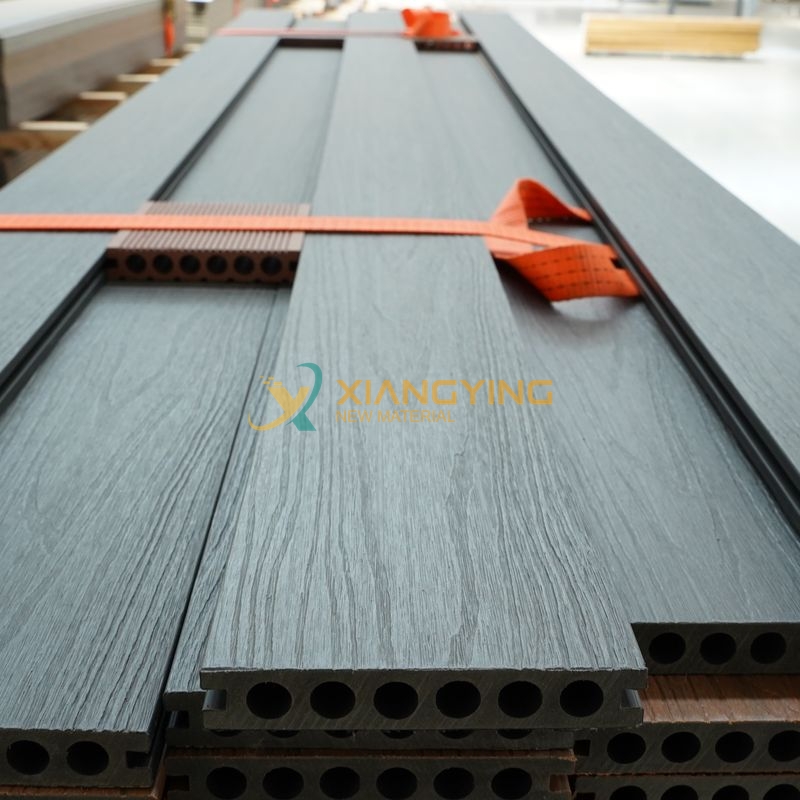
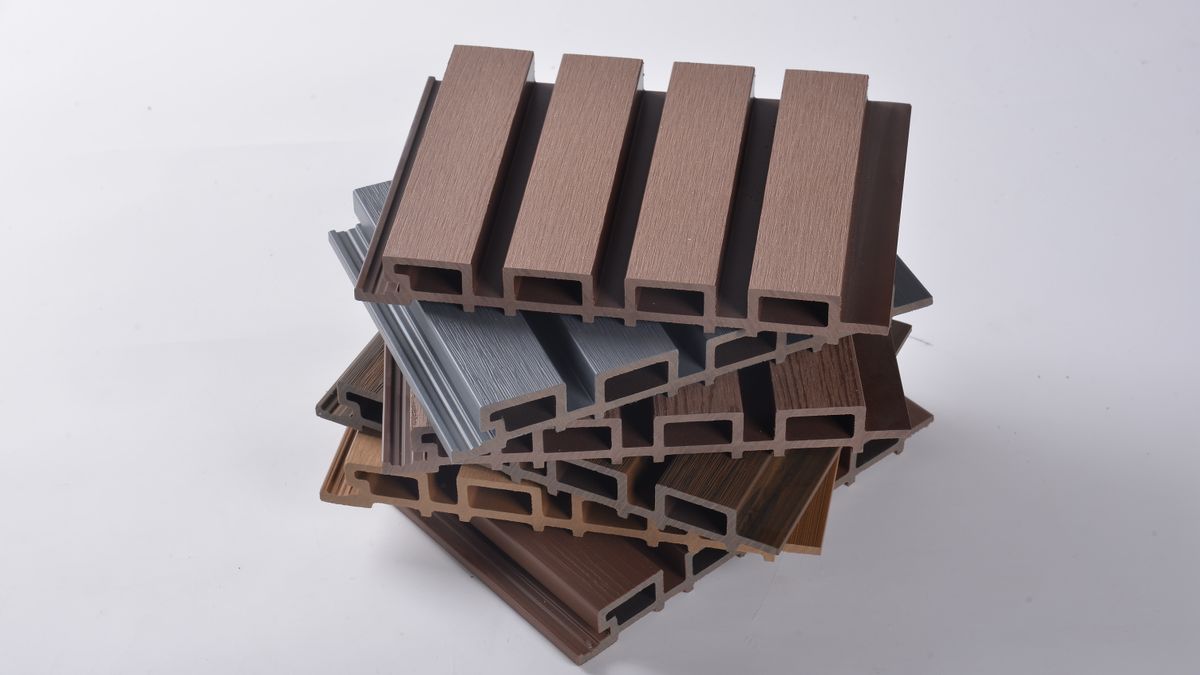
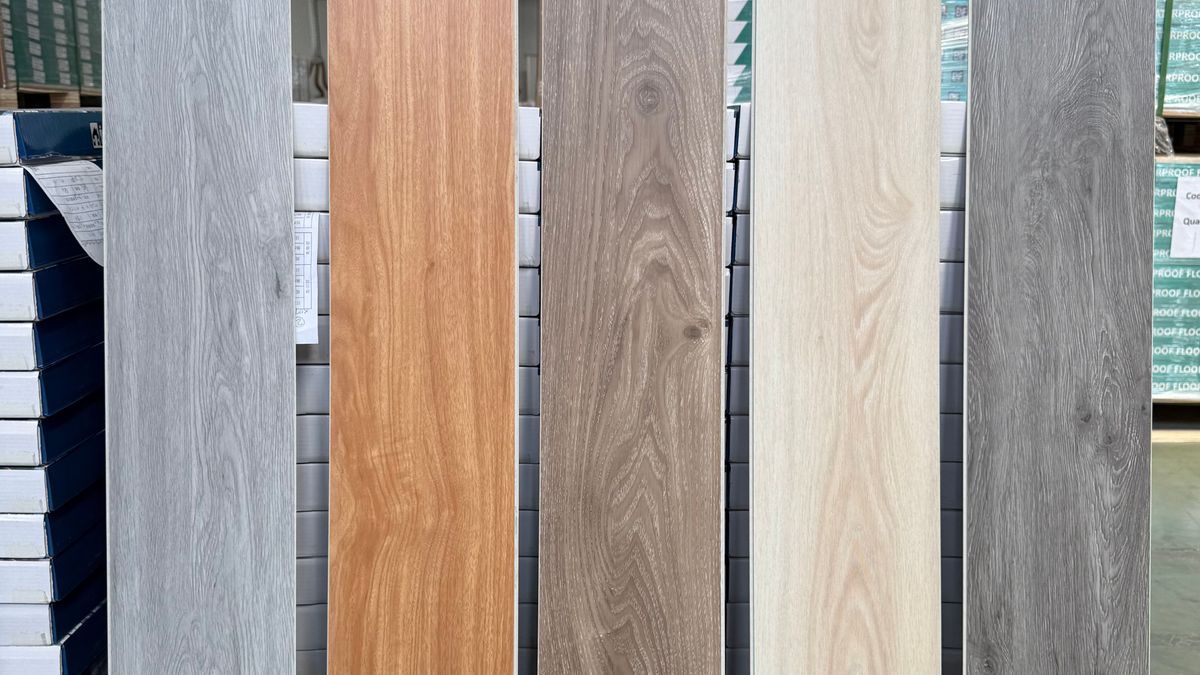
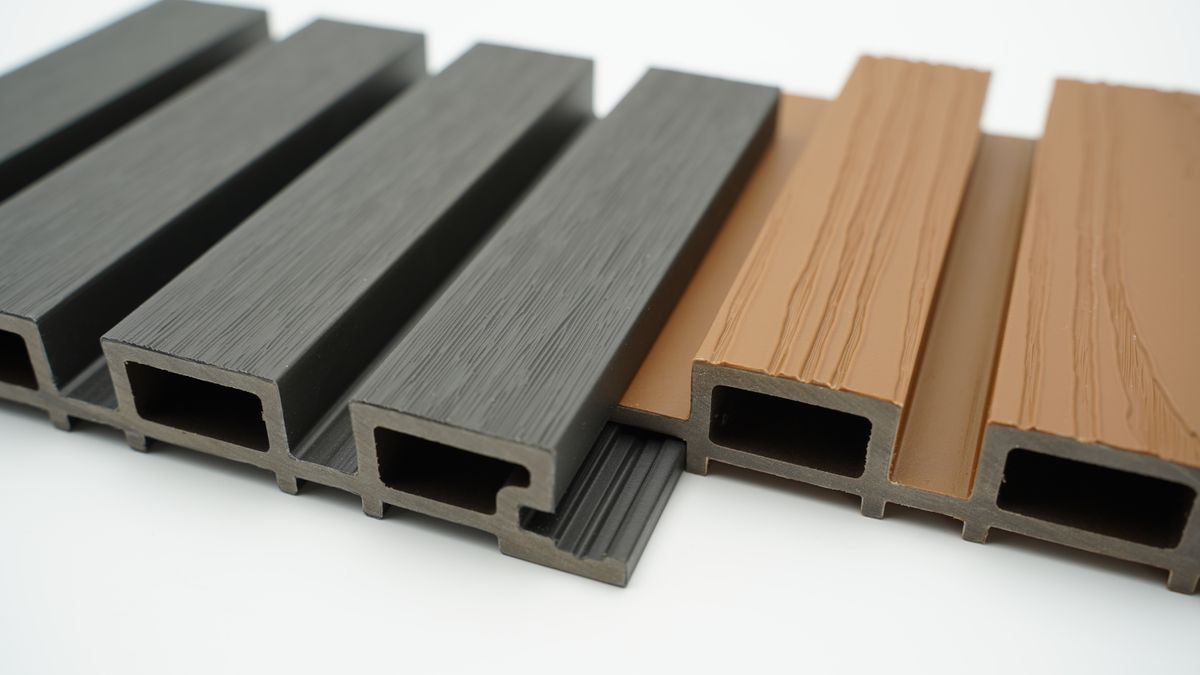
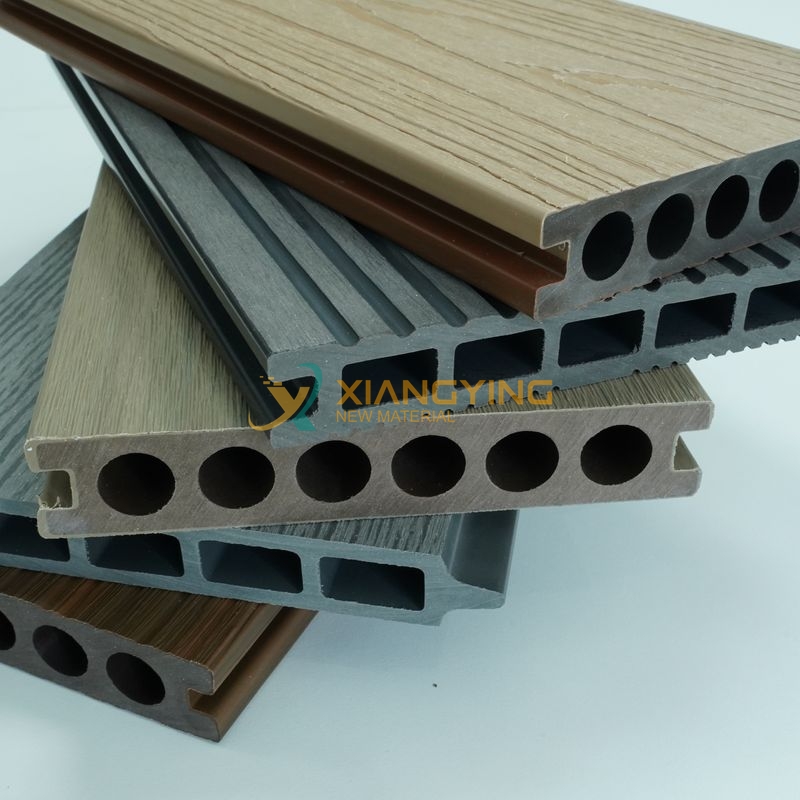
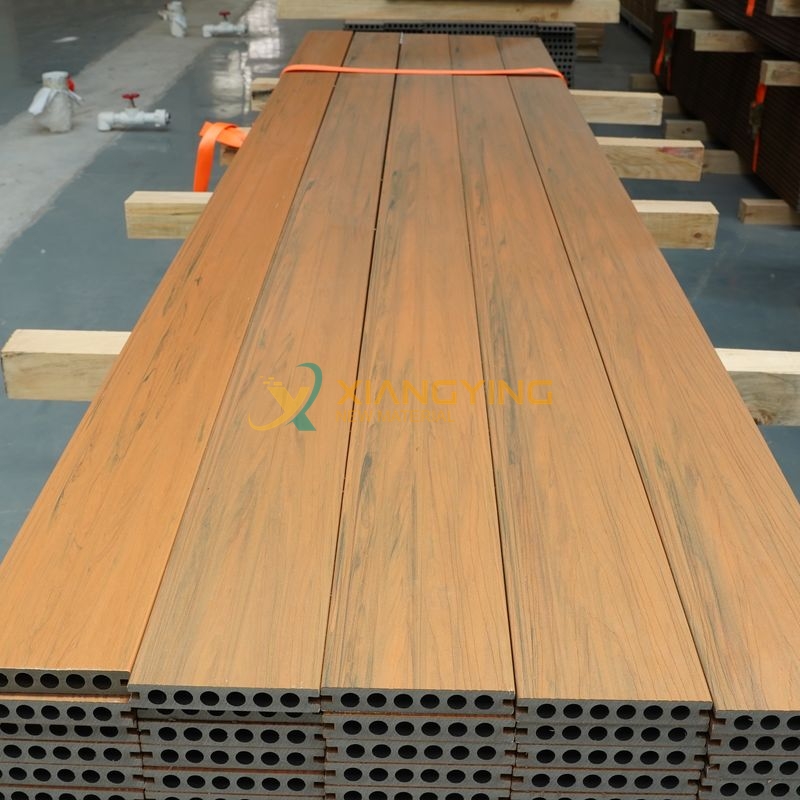
Another key driver behind WPC decking’s widespread adoption is its design adaptability. WPC boards come in a diverse range of color options — from classic wood tones to modern greys and charcoal hues — with surface textures that mimic natural timber or offer contemporary finishes. This ability to tailor appearance allows architects and designers to align outdoor flooring with broader design schemes, whether aiming for a rustic garden retreat, sleek urban deck, or cohesive pool terrace aesthetic.
Design innovations also include hidden fastening systems, interlocking boards, and integrated lighting features that enable creative layouts and seamless transitions between outdoor zones. Such design options provide both functional and visual innovation, allowing WPC decking to be a foundational platform for exterior spaces that reflect contemporary lifestyles.
Sustainability and Long-Term Value
Sustainability is an increasing consideration in construction and outdoor design. WPC decking typically incorporates reclaimed wood fibers and recycled plastics, reducing the demand for virgin timber and helping divert waste from landfills. Its durability also means fewer replacements over time, contributing to lower lifecycle resource consumption. These environmental advantages make WPC decking an attractive choice for projects with green building goals and eco-friendly credentials.
In conclusion, WPC decking has proven itself to be a versatile and future-ready material that supports a broad spectrum of outdoor applications — from private home gardens and pool decks to bustling commercial terraces and large-scale public walkways. Its combination of durability, low maintenance, safety, aesthetic options, and sustainability makes it one of the most compelling outdoor flooring solutions available today.