
 Hot Selling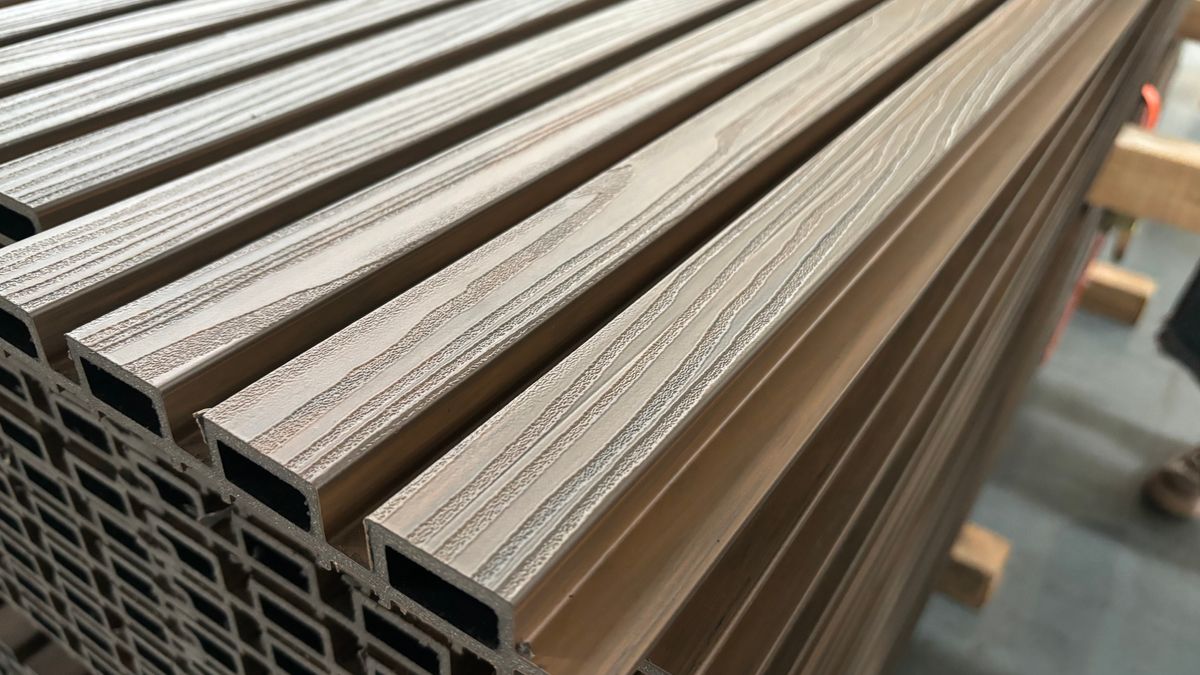
Innovative Applications of WPC Grille Systems in Contemporary Building and Landscape Design
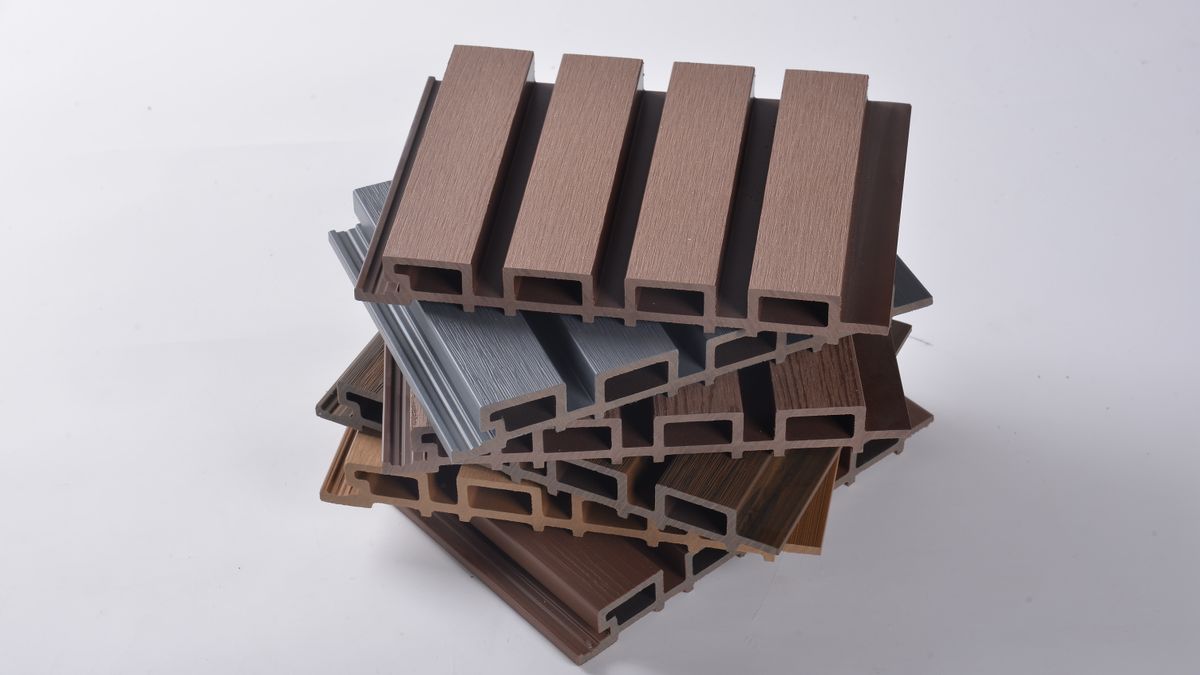
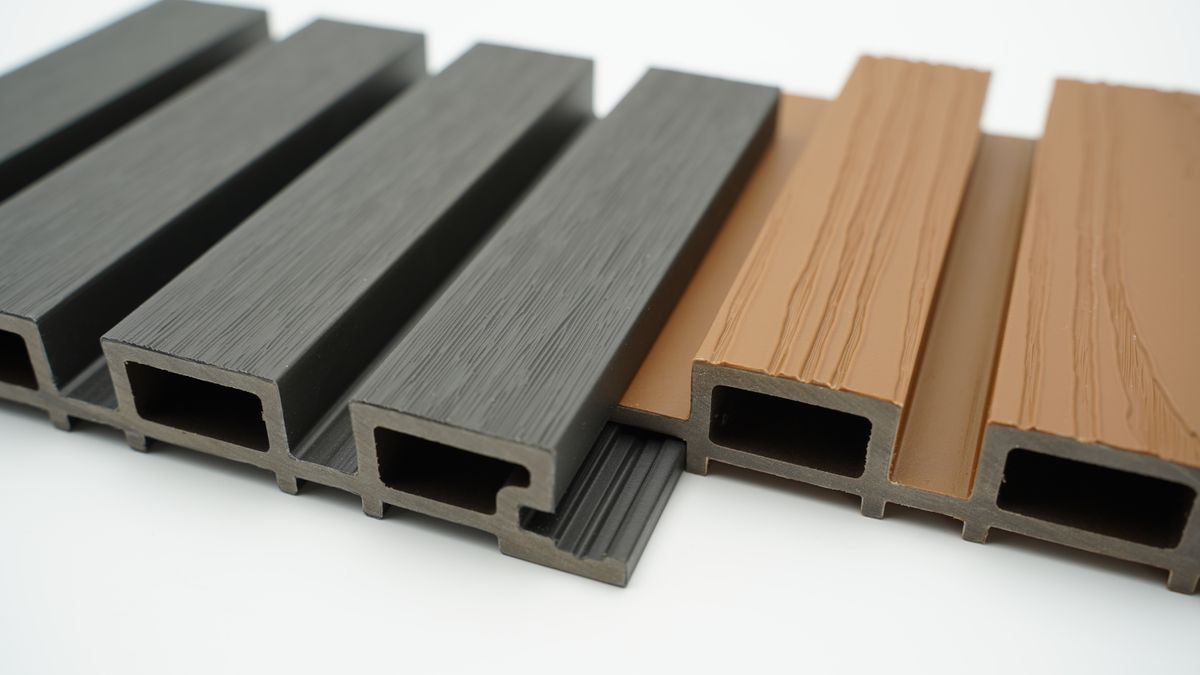
In the evolving landscape of modern architecture and building materials, WPC grille systems have emerged as dynamic elements that merge functional performance with aesthetic adaptability. These wood-plastic composite products are engineered not only to provide a visual enhancement in architectural projects, but also to deliver long-lasting durability, low maintenance, and compatibility with both indoor and outdoor environments — making them a favored choice for designers, developers, and homeowners alike.
Integrating WPC Grilles into Interior Design
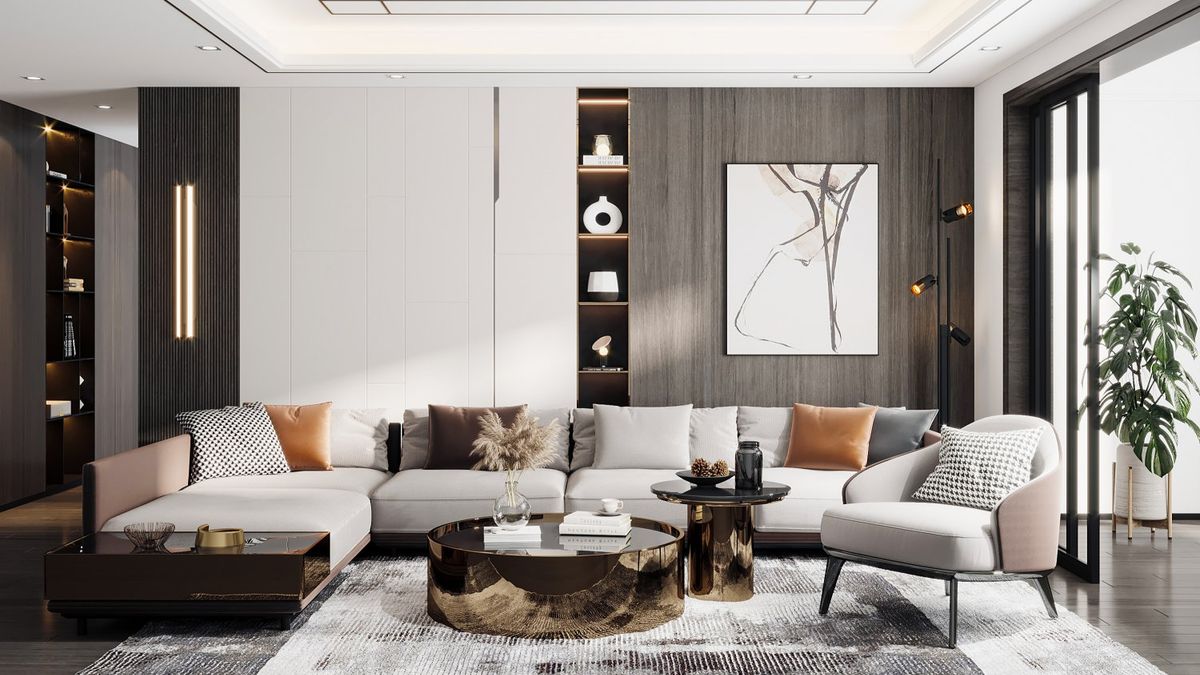
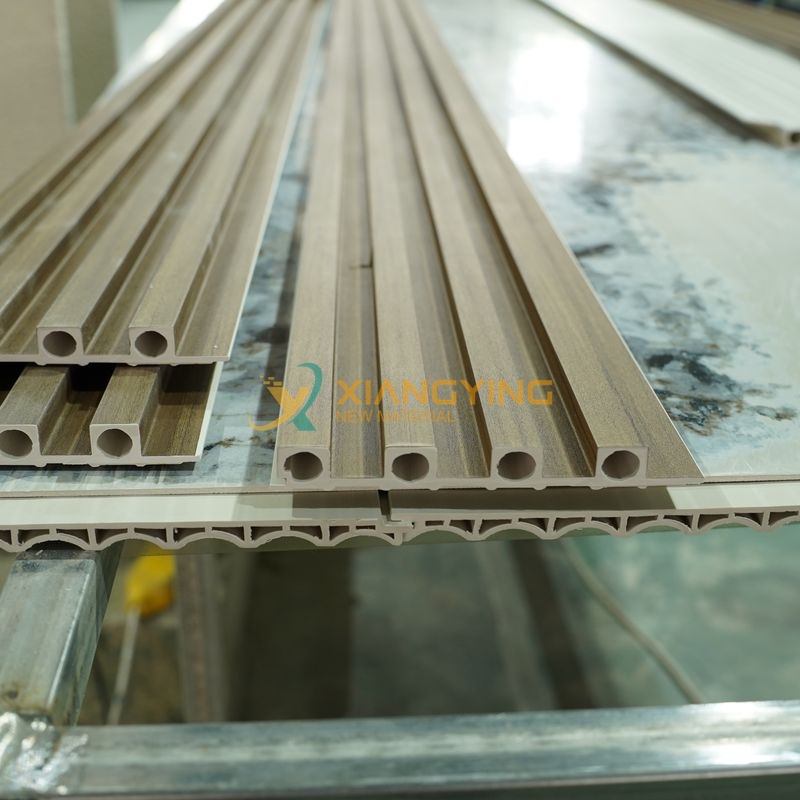
One of the most visible arenas where WPC grille systems have gained traction is interior finishing. In commercial offices, WPC grillesserve multiple purposes: they act as Decorative Wall Panels, partition screens, ceiling features, and even design accents that help define space without fully enclosing it. Unlike solid wall surfaces, a grille can provide visual separation between areas while still permitting airflow and light diffusion — enhancing both aesthetics and spatial experience.
In residential interiors, especially in open-plan living environments, WPC grilles are used to create elegant room dividers that blend privacy with transparency. They make excellent features behind dining areas, living rooms, and staircase walls where designers want to incorporate texture and depth without interrupting sight lines. Their wood-like texture adds warmth to spaces, while the composite makeup ensures moisture, termite, and wear resistance — valuable characteristics in busy household environments.
Commercial interiors such as restaurants and retail environments utilize grille panels as brand-enhancing surfaces. In hospitality spaces, WPC grilles can help manage acoustics while forming stylish backdrops, ceiling features, or façade accents. Their ability to simulate natural wood grain or contemporary textures allows brands to convey a sense of luxury and refinement, even in high-traffic areas that see constant use.
Exterior Architectural Enhancements
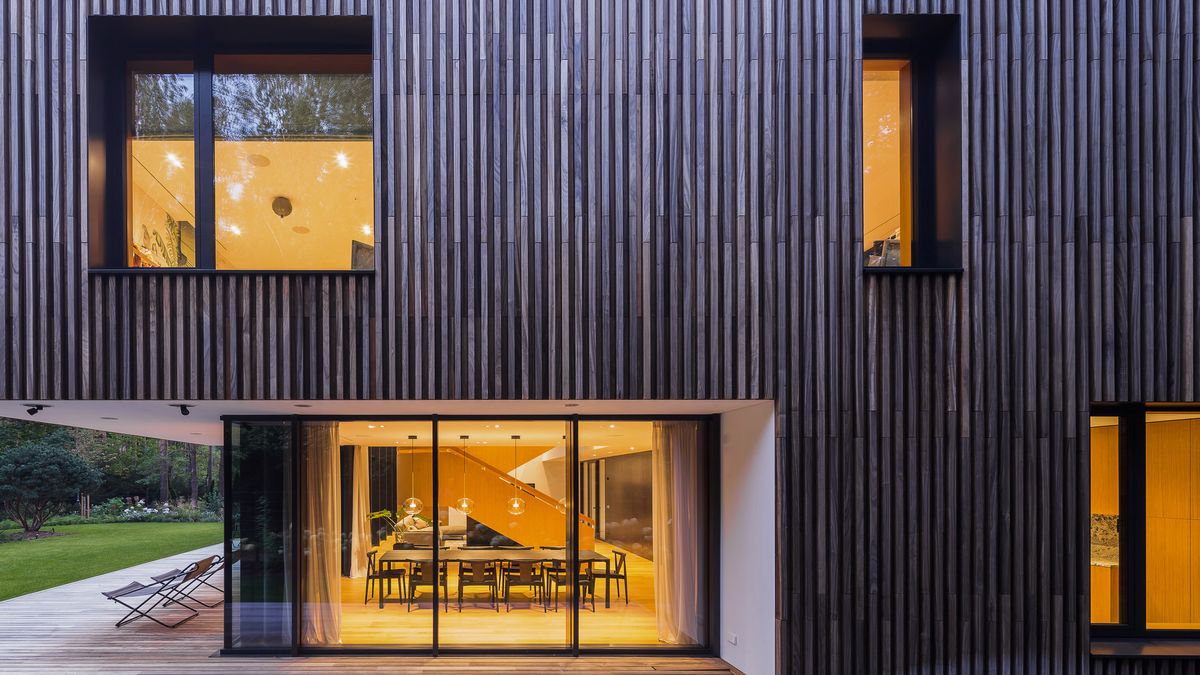
WPC grille systems are equally impactful in exterior applications. Architectural façades — from residential homes and villas to hotels, resorts, and office buildings — benefit from grille panels that provide light shading, privacy screening, and visual rhythm on exterior walls. For example, a balcony façade incorporating a grille structure can allow daylight and ventilation while adding a layer of architectural sophistication.
Courtyards and outdoor living spaces often incorporate grille systems as shading elements or privacy screens, pairing practical function with design appeal. The open patterning allows airflow and reduces glare without sacrificing privacy — a key consideration for outdoor lounges, pergolas, and terrace walls. Importantly, WPC grilles maintain performance under constant sunlight exposure and precipitation due to their moisture resistance, corrosion resistance, and UV-stable composition.
Landscape Architecture and Screening
In landscape design, traditional wood screens or trellises are increasingly replaced by WPC grille systems, which offer superior durability and longevity. Because WPC doesn’t rot, warp, or attract termites, these panels can be confidently used as garden screens, fencing accents, outdoor partitions, and pergola components without concern for frequent maintenance. Grille profiles also allow for creative plant integration, such as climbing vines or layered planter walls, forming a seamless blend of natural greenery and modern material aesthetics.
Urban environments — including plazas, pedestrian zones, and roof gardens — also benefit from WPC grille installations. Grilles aid in breaking up large, blank surfaces, adding visual interest while providing subtle shading and environmental screening. In rooftop gardens, they can be paired with seating or planters to define space boundaries and guide circulation without blocking views or airflow.
Performance Advantages Over Traditional Materials
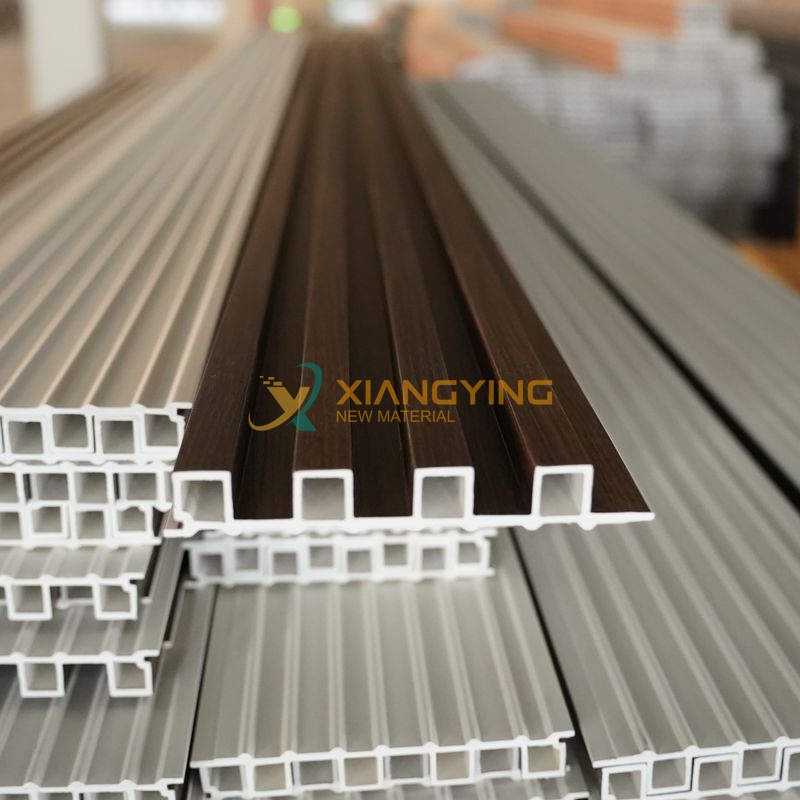
Compared with traditional wood or metal lattices, WPC grille systems provide a significant performance advantage. Natural wood grilles can warp, crack, or deteriorate under moisture and UV exposure, requiring periodic painting, sealing, or replacement. WPC grilles, by contrast, are inherently moisture-resistant, termite-resistant, and require minimal maintenance — typically needing only periodic cleaning with water and mild detergent.
These composite panels also resist corrosion and decay, making them suitable for environments exposed to weather extremes or high humidity. Many WPC products are engineered with UV inhibitors and protective surface treatments that help retain color and texture over long periods, even under direct sunlight exposure. This longevity adds tangible value in both cost savings and long-term aesthetic coherence.
Sustainability and Environmental Impact
WPC grille materials align with sustainable building objectives because they often incorporate recycled wood fibers and plastics. This composition helps reduce reliance on virgin timber and diverts waste plastics from landfills. The long lifespan and low maintenance profile also reduce the need for replacement materials and associated resource consumption over the lifecycle of a building.
Design Flexibility and Customization
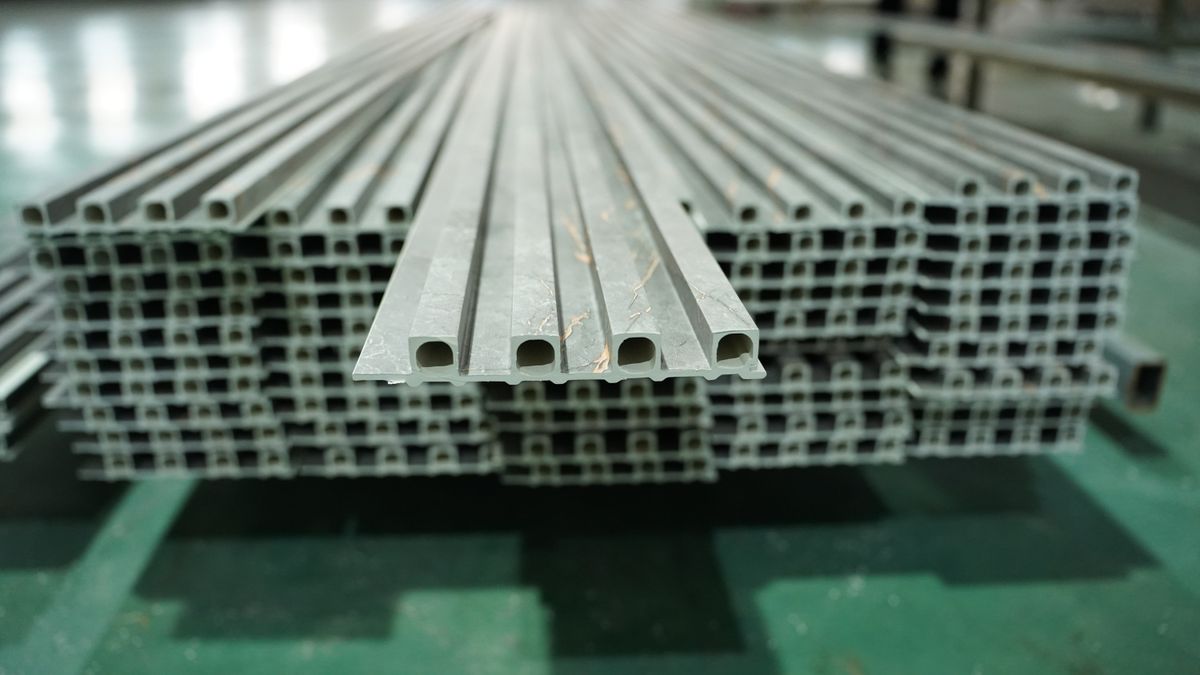
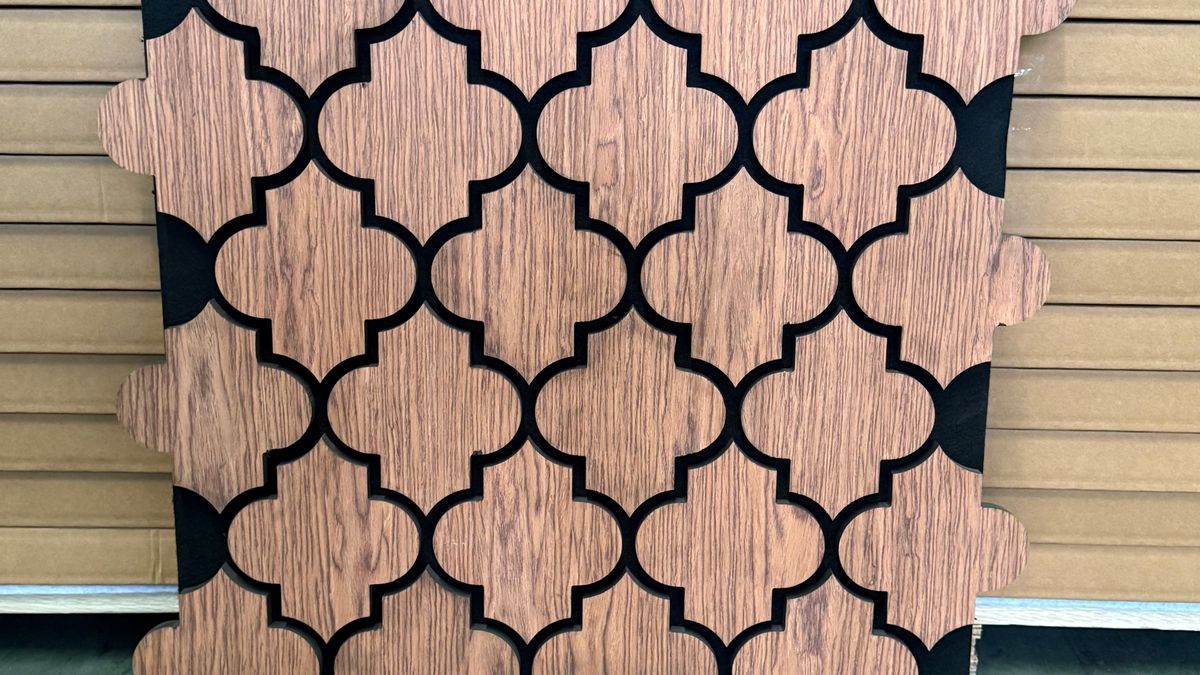
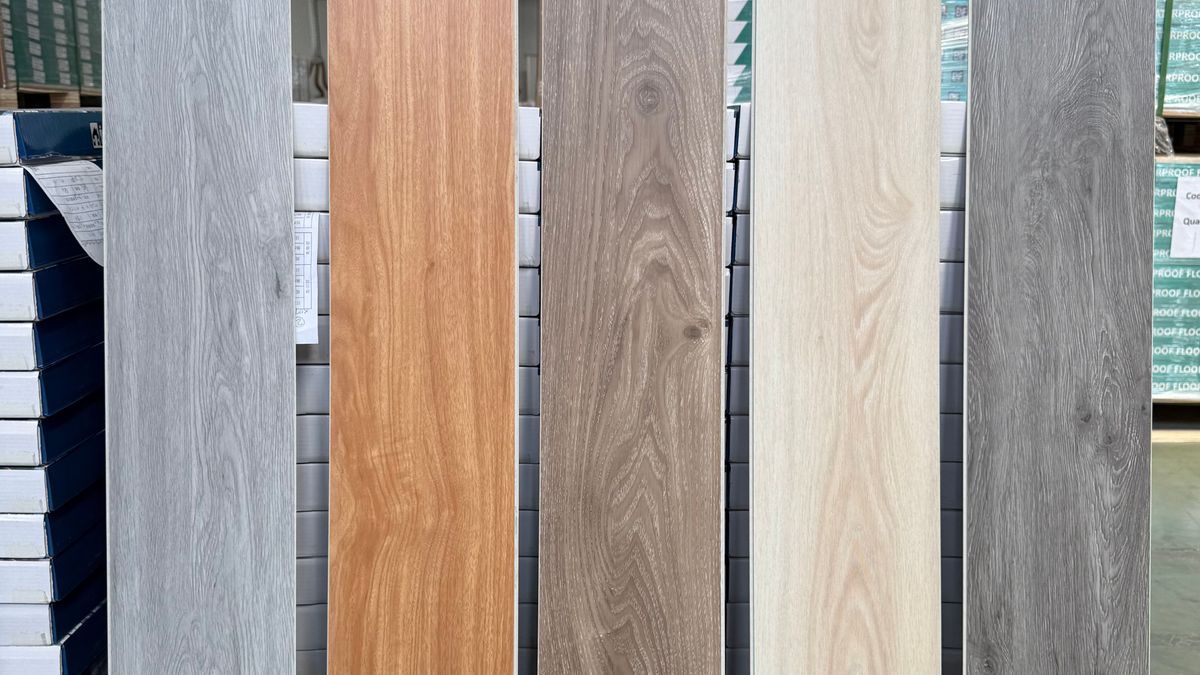
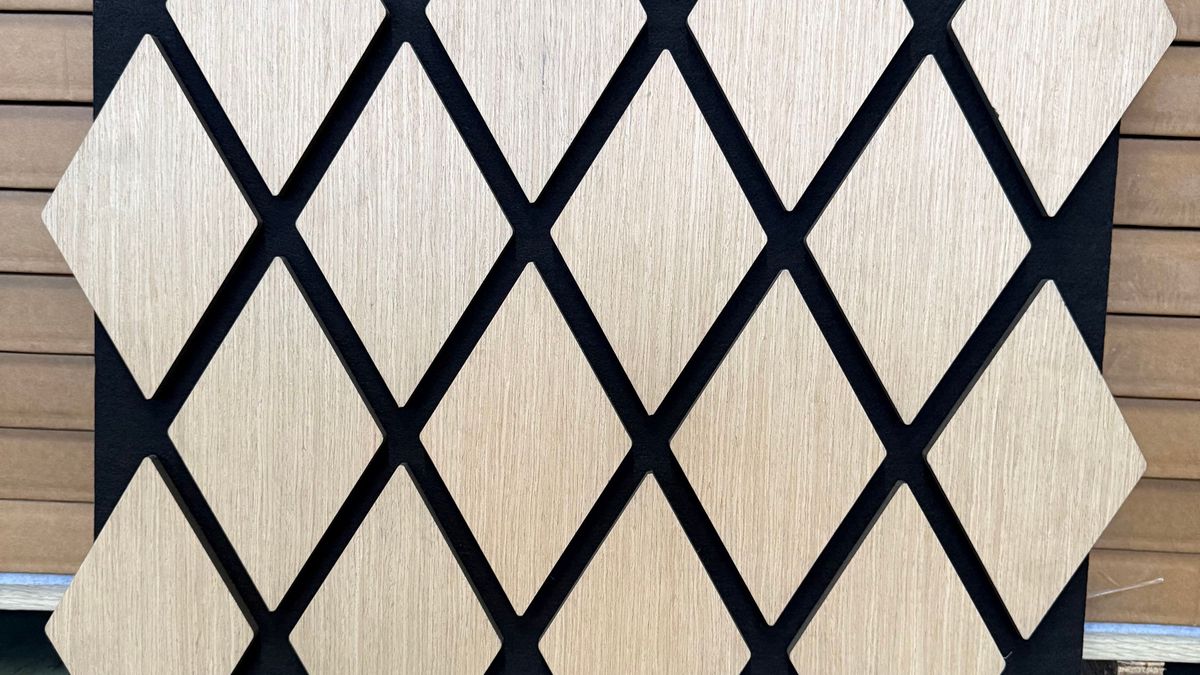
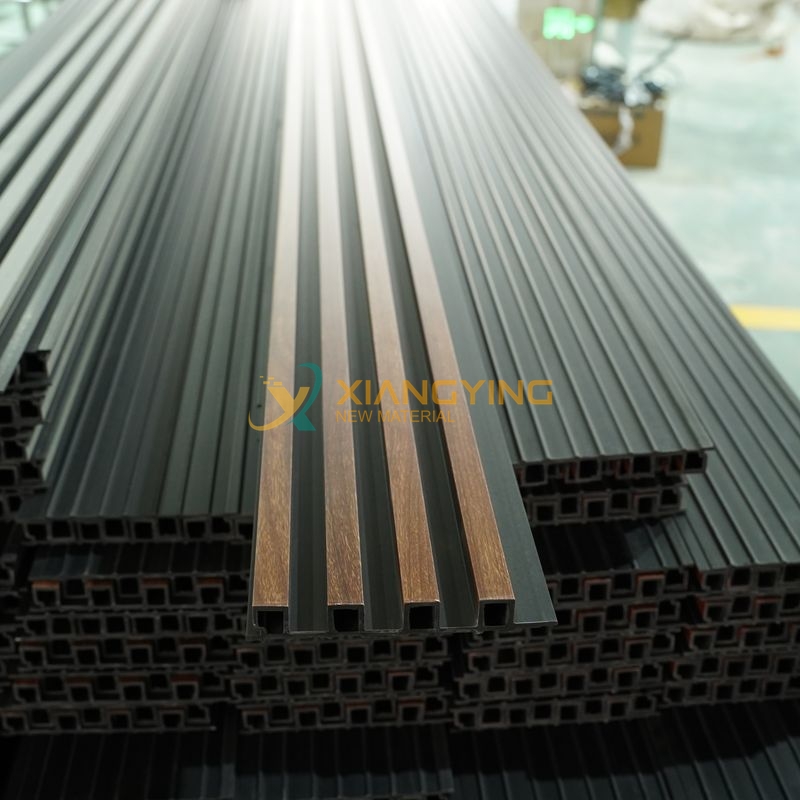
Designers benefit from the modularity and customization of WPC grille systems, which can be cut, shaped, and configured to meet site-specific needs. Whether creating straight wall panels, curved screens, or bespoke installation sequences, these materials offer creative freedom while maintaining structural and performance consistency. Surface treatments and finishes further expand design vocabulary, enabling integration with varied architectural styles — from minimalist modern to classic wood-emulating façades.
Future Outlook
As building professionals and designers increasingly seek materials that deliver performance, sustainability, and aesthetic value, WPC grille systems are growing in popularity across global markets. Their blend of durability, visual richness, low upkeep, and environmental alignment positions them as a compelling choice for projects across residential, commercial, hospitality, and landscape architecture — from interior accents to prominent exterior façades.